Monsoon Asia
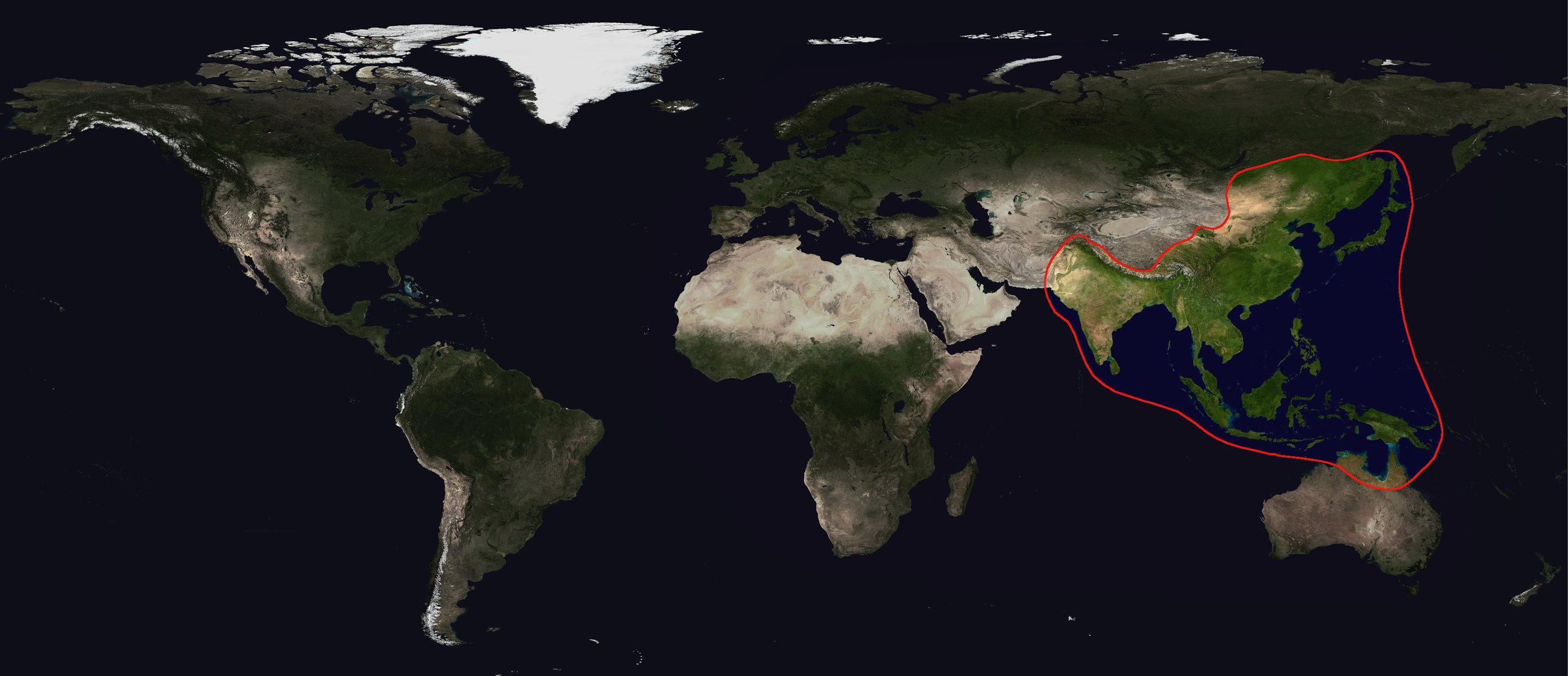
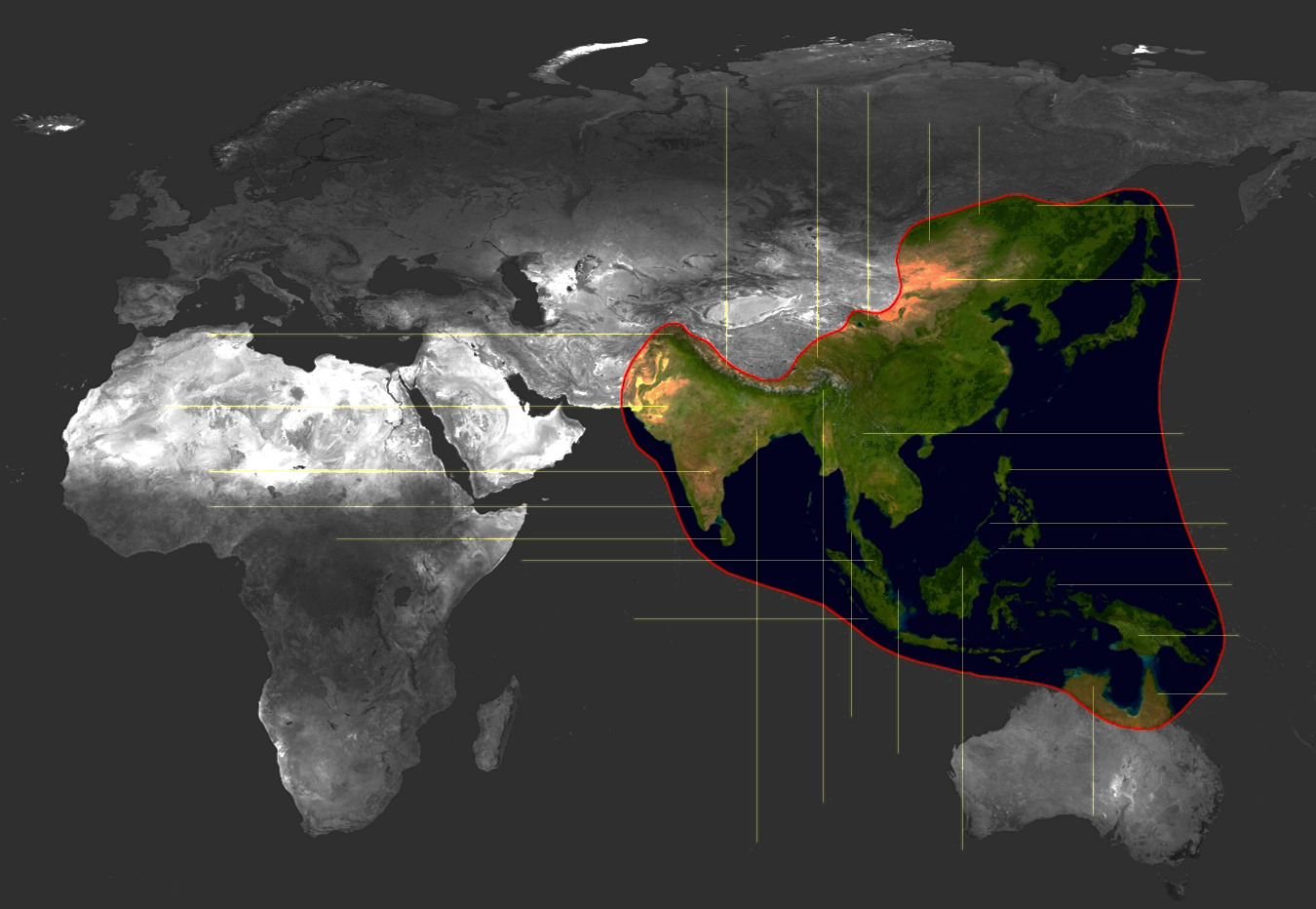
Encompassing much of South Asia, the eastern parts of the High Asia and Inner Asia, the whole of Southeast Asia, as well as the far north of Australia, the Monsoon Asia region is our priority area of work, as it is here that a range of historical, demographic, environmental, economic and political factors converge, making it of paramount importance for the future of the planet.
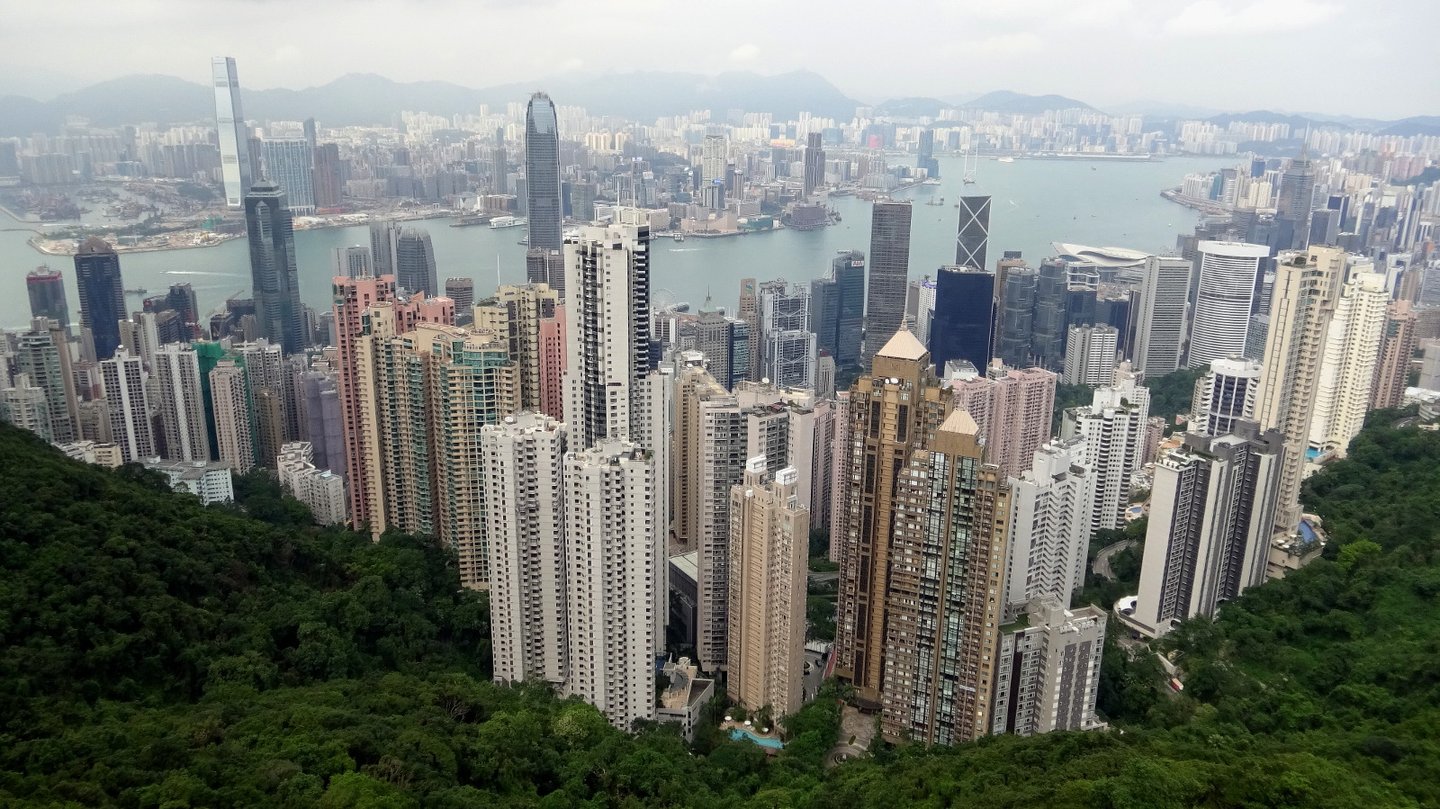
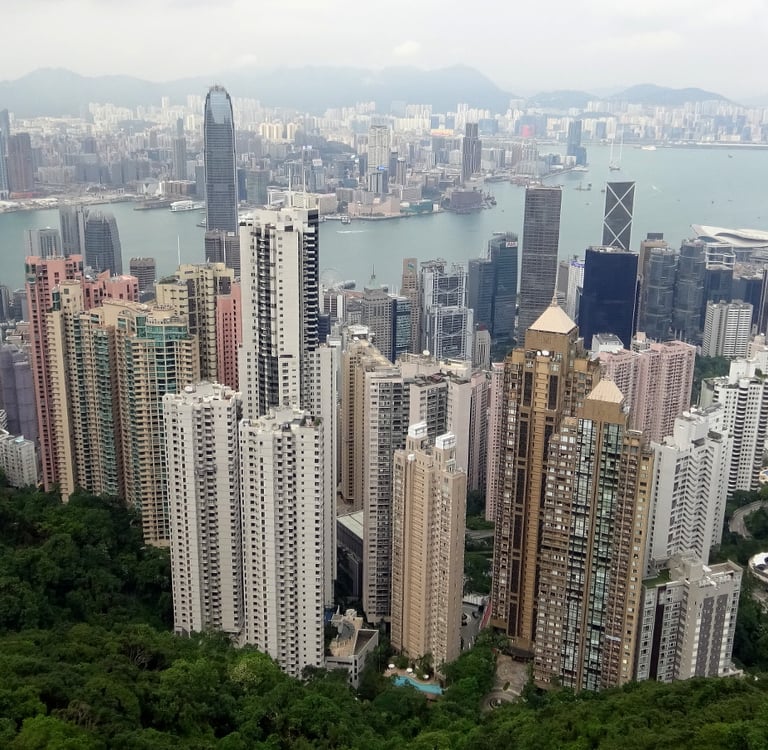
Asia is home to a total of 4.216 billion people, accounting for more than half of the world’s population, of whom some 4 billion live in South, East and South-East Asia, distributed as follows: 1,476 million in India, 1,410 million in China, 280 million in Indonesia, 258 million in Pakistan, 177 million in Bangladesh, 115 in the Philippines, 102 in Vietnam and 71 millions in Thailand.
Overpopulation
Biodiversity
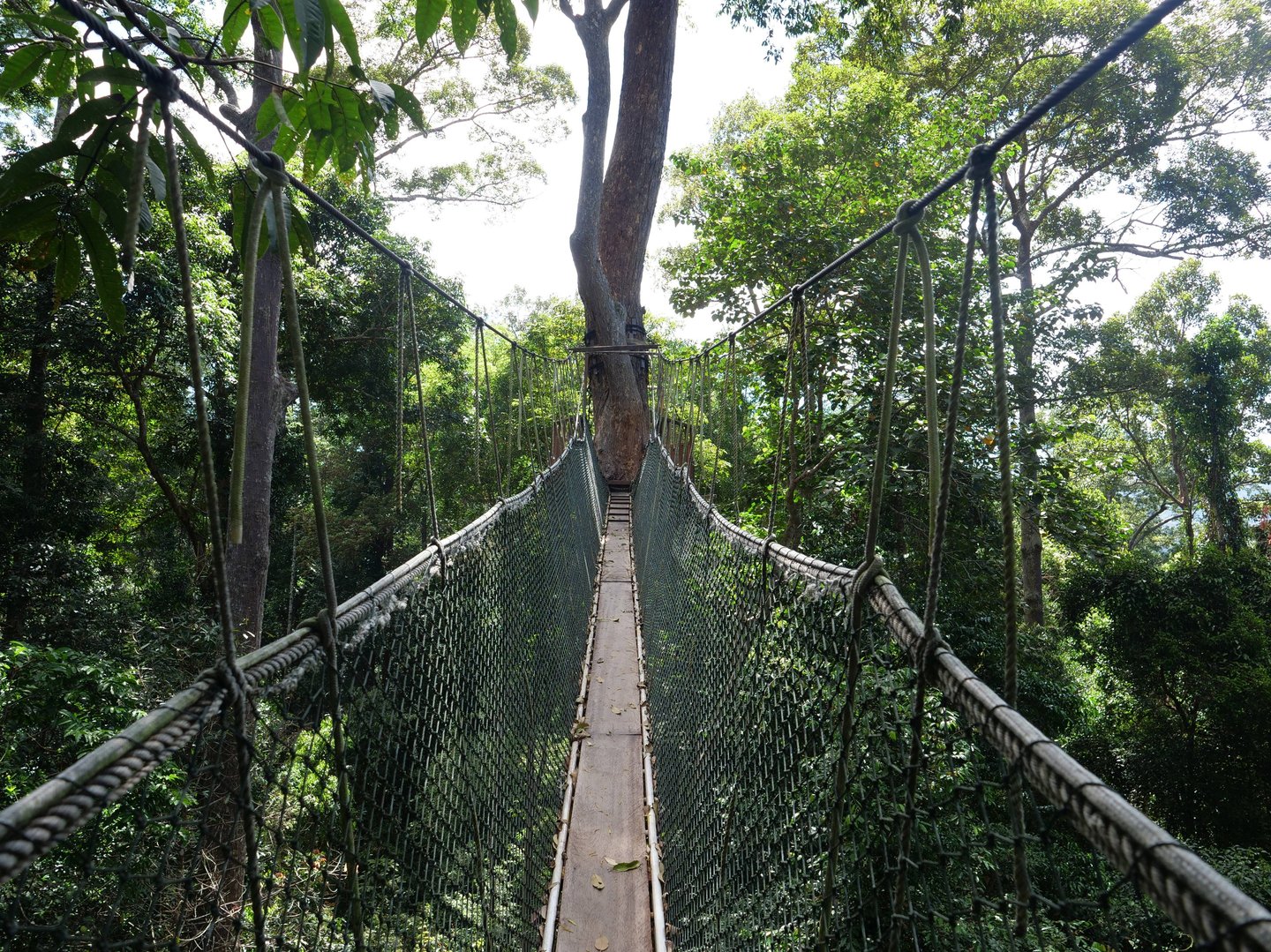
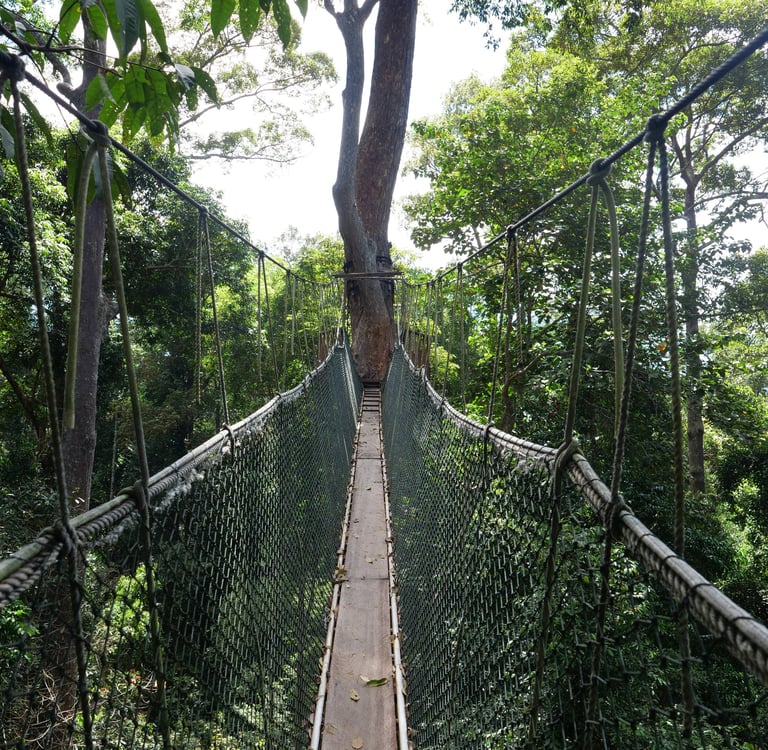
The monsoon region of Asia, owing to its climate and abundant annual rainfall, is a key factor in understanding not only its abundant agricultural and energy resources, but also the rich biodiversity of its diverse ecosystems. No fewer than eight Biodiversity Hotspots are concentrated there, encompassing high-mountain, tropical rainforest and marine ecosystems.
Ethnicity
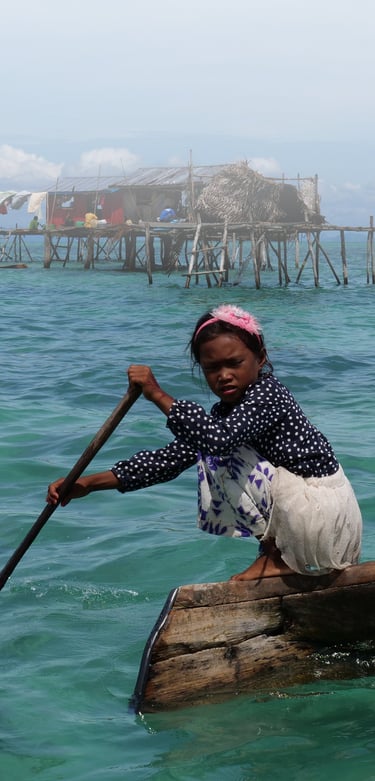
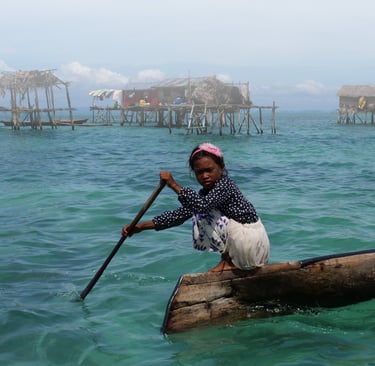
Reflecting this rich biodiversity, Monsoon Asia is also a melting pot of countless ethnic groups: 1,331 in Indonesia, 705 in India, around 200 in Malaysia, 135 in Myanmar, 110 in the Philippines, 70 in Pakistan, 60 in Thailand, 59 in Nepal, 55 in China (excluding sub-groups of the main ethnic groups), 54 in both Bangladesh and Vietnam, 50 in Laos, and 24 in Cambodia.
A contradictory although fascinating region shaped by
YURTA Association will move to southern Thailand in October 2027 to carry out its work in the region on an ongoing basis
Notable nomadic-tradition communities in the region
Small actions create meaningful lasting change