Learning from indigenous
mobile peoples
We visit and research nomadic-tradition communities
and their ecosystems around the world

PASTORALISTS
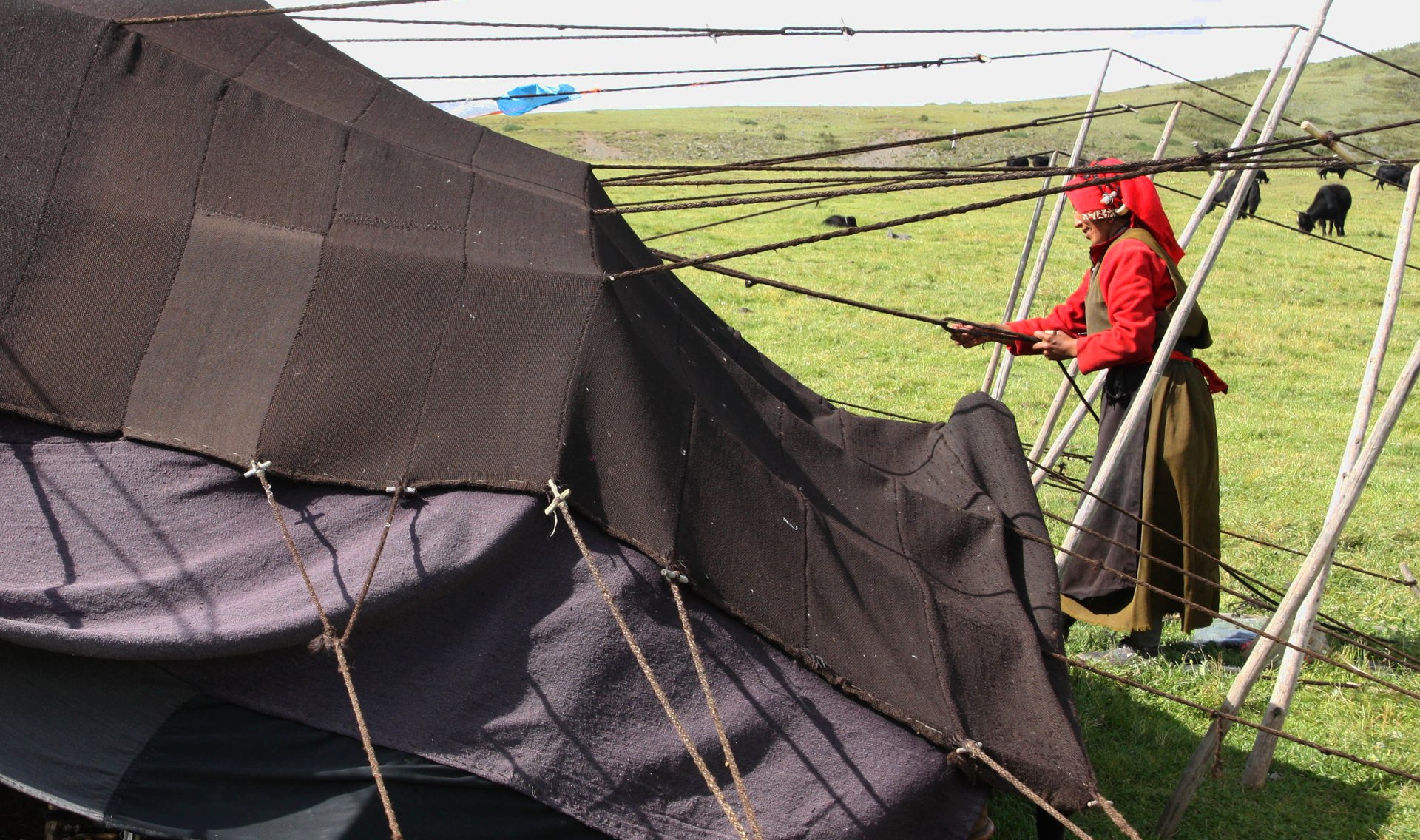
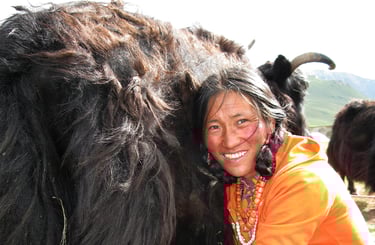
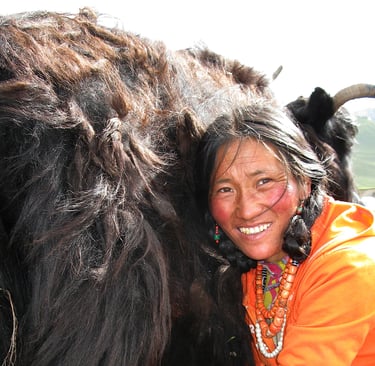
Pastoralists include all traditional nomadic groups that rely primarily on migratory herds for their livelihood
→ KNOW MORE
FORAGERS
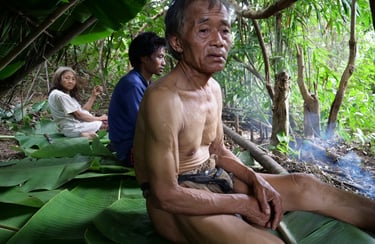
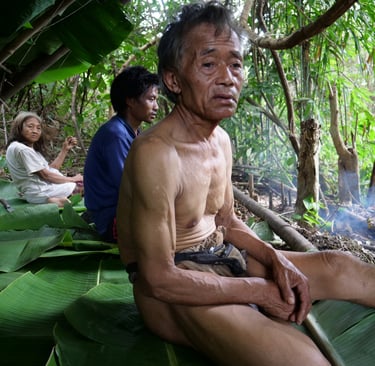
Foragers is a generic term for those surviving by gathering food from naturally sources or by hunting game
→ KNOW MORE
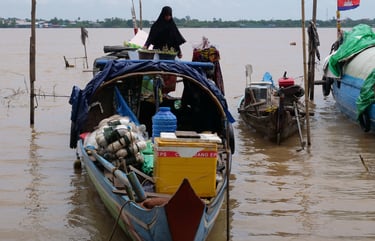
WATER NOMADS
Water nomads is a subgroup of foragers specialized in living on and from aquatic envrironments
→ KNOW MORE
ABOUT NOMADS
PERIPATETICS
Peripatetics or itinerants form groups giving ambulant services to both settled rural and urban people
→ KNOW MORE
The current nomadic and semi-nomadic population could range from 30 to 40 million people, less than a 10% of the 476 million indigenous people (spread across 90 countries and grouped into 5,000 communities), with the highest percentages found in Mongolia (25%), Pakistan (15%), Niger (15%), Afghanistan (10%), Siberian Russia (10%), Sudan (9.1%), India (7%), Mauritania (6%), Chad (3.5%), Kenya (3%), Ethiopia (2%) and Iran (1.25%). The latter is the third largest in terms of absolute nomadic population (between 1 and 1.2 million), with India in first place (more than 50 million) and Pakistan in second (around 35 million), in both cases due to their numerous groups of peripatetic wandering tribes.
Nomadic civilizations have lived for millennia in ecosystems of great ecological value, rich in natural resources, often hostile, yet which they preserved in their essence. Through seasonal hunting, fishing and gathering, just like other animals, or by following the migrations of certain herbivores—which they managed to domesticate—they came to know these ecoregions and their natural mechanisms in depth, appreciating them and becoming an integral part of them. For this very reason, they did not prioritize political structures in their homelands, placing the rights of nature above human ambition. Later, among settled people, peripatetic groups emerged to provide them with specific itinerant services.
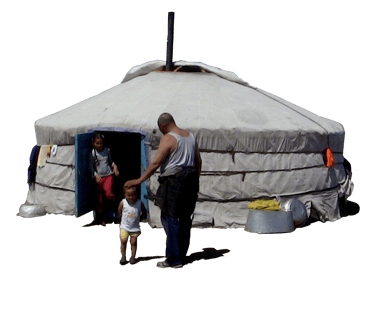
YURTA is a non-profit organisation established in 2012 to work alongside governments and cultural institutions, as well as indigenous communities, drawing on its experience with traditionally nomadic peoples and their ecosystems.
Our mission is, first and foremost, to help people understand nomadic ways of life in relation to their own ecological, social and political context, and second, discover connections with similar groups, countries and ecosystems.
Our duty is to contribute to their conservation, as part of the global effort to maintain the planet’s biocultural diversity, and to this end we develop proposals and draw up projects.
ABOUT US
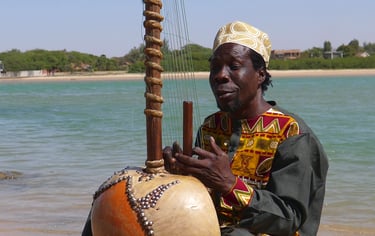
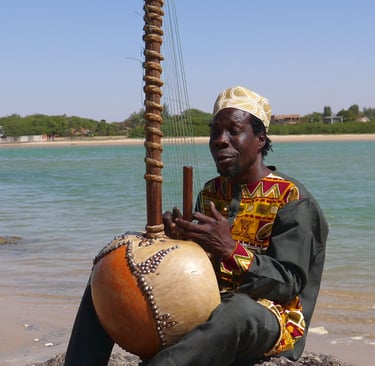
Working on making compatible nomadic peoples rights, the rights of nature and development
The French jurist J.-J. Rousseau stated that ‘nomadism, in itself, is entirely devoid of legal significance from the perspective of international law’ (J.-J. Rousseau, 1762).
The concept of ‘Res nullius’ has invariably been applied to suggest that nomads, by virtue of their itinerant lifestyle, possess no territorial rights, despite having occupied the same areas for millennia, across generations and, often, exclusively.
However, the negative view that international legal scholars held of nomads began to change in the early 1970s, following the advisory opinion on the legal status of Western Sahara issued by the International Court of Justice in 1975. Then, the adoption of an anthropological approach led to the declaration that nomadic societies were legal entities protected by collective rights, adding that the nomadic way of life did not prevent them from accessing self-determination (M. Moreti, 2012).
The final outcome of this conflict—with Morocco’s annexation of Western Sahara, backed by the United States—clearly illustrates the ‘official’ corruption surrounding native territorial rights when the economic and strategic interests of states are at stake.
OUR PHILOSOPHY
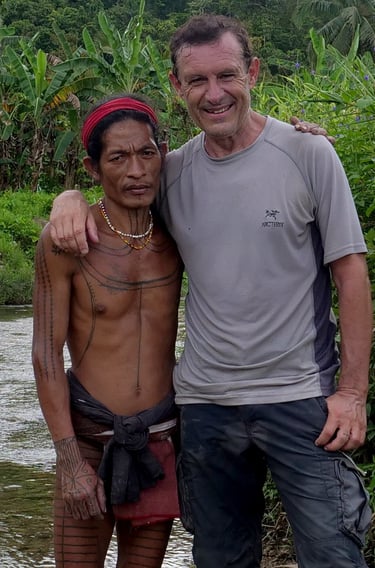
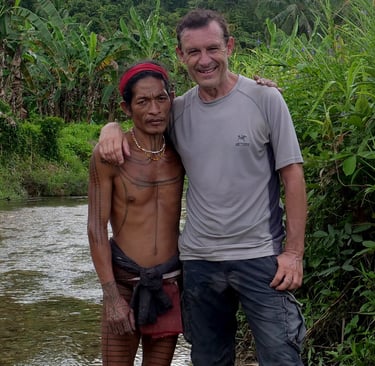
Santiago Carralero, chairman of YURTA Association with a Mentawai tribesma,
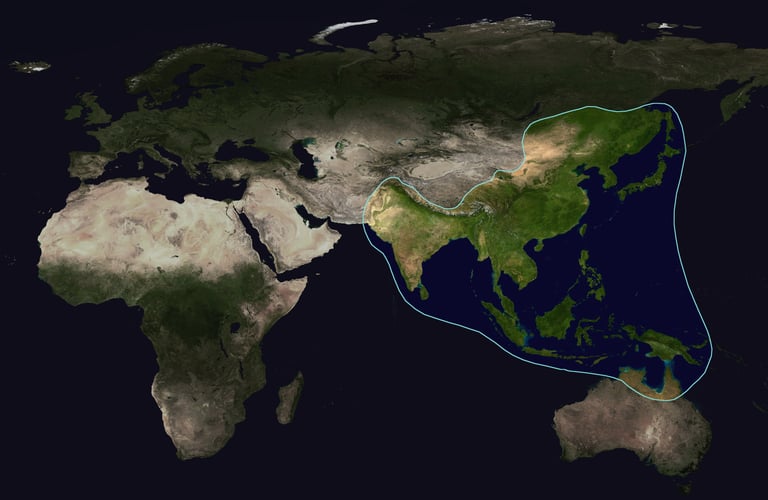
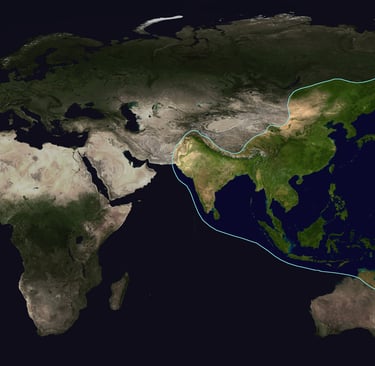
Promoting initiatives for developing nomadic community-based projects in Monsoon Asia
Together with the experience gained in previous years, the EDUNOMAD project, running since 2022 and conceived to discover and learn about a wide variety of nomadic ways of life, enable us to apply our knowledge in a specific region that we consider to be of crucial social and environmental importance: Monsoon Asia.
OUR PRIORITY RESEARCH AREA
OUR JOURNEY
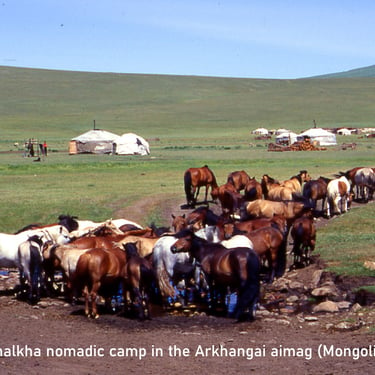
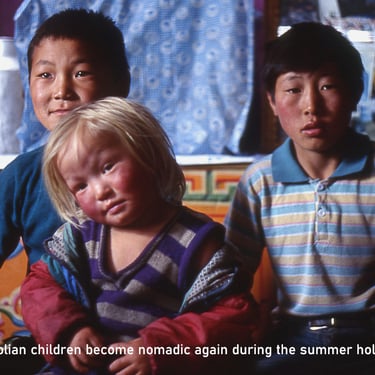
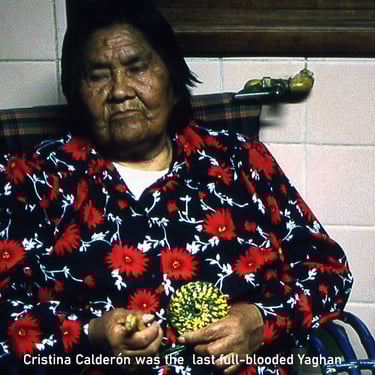
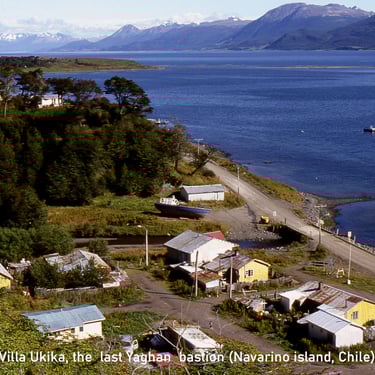
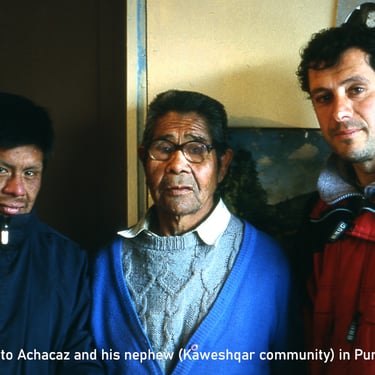
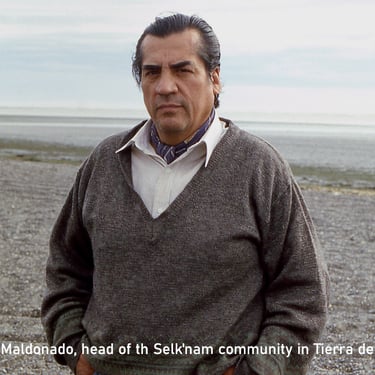
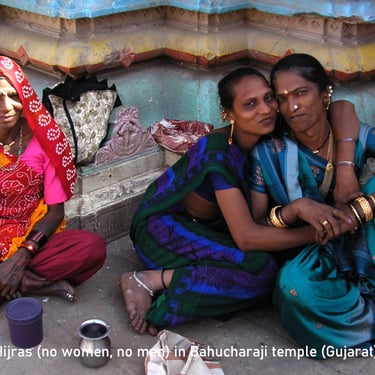
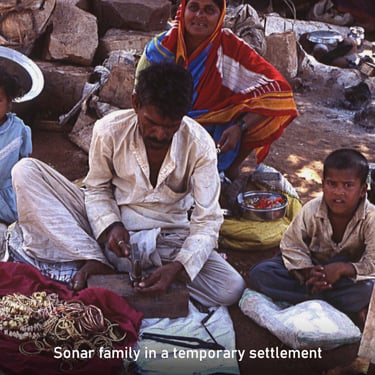
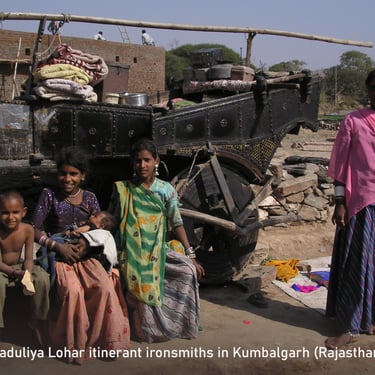
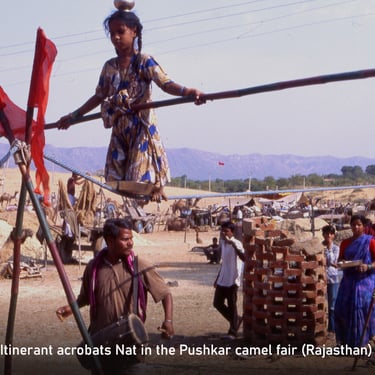
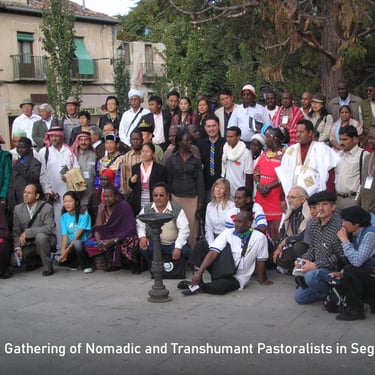
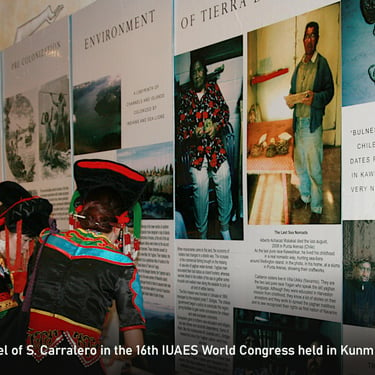
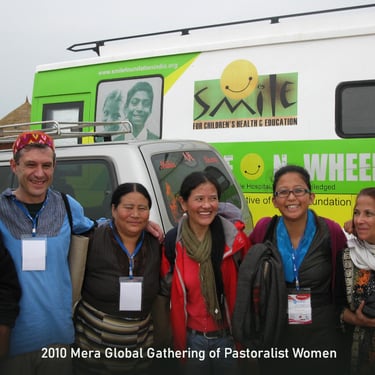
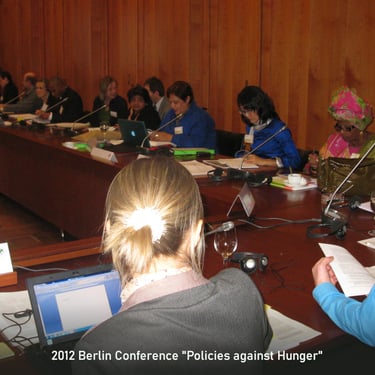
International involvement and collaborations (2007-2020)
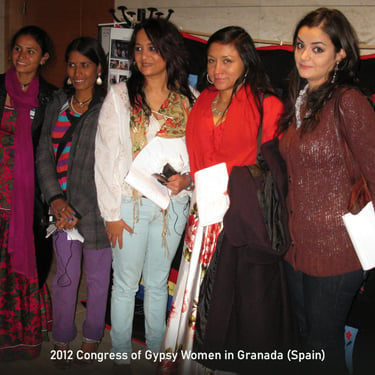
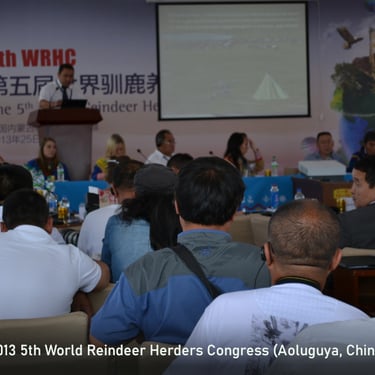
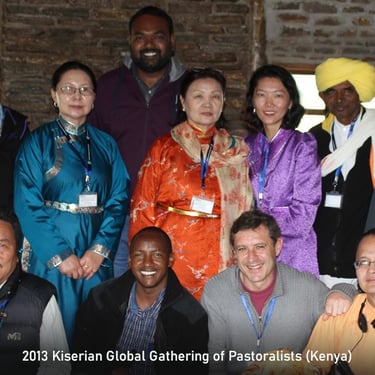
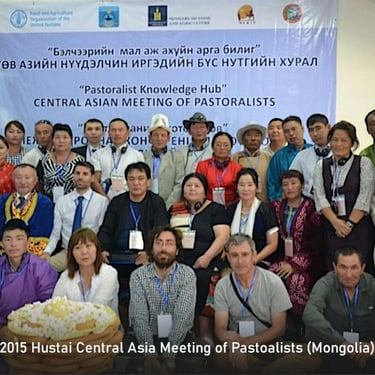
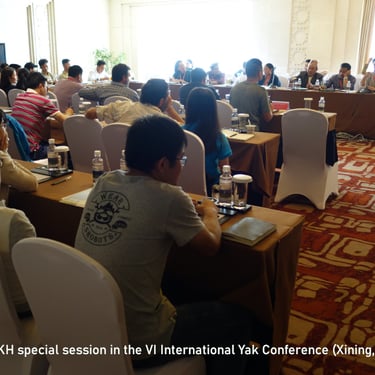
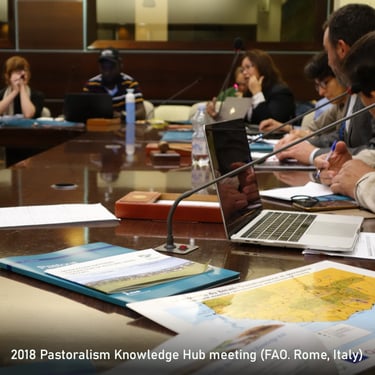
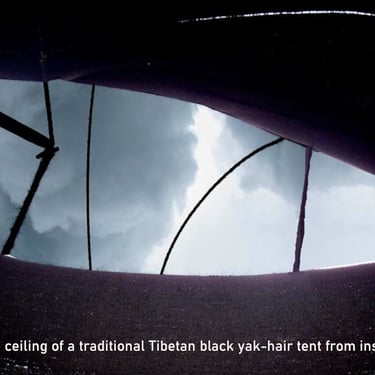
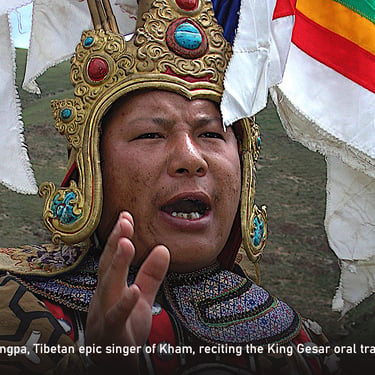
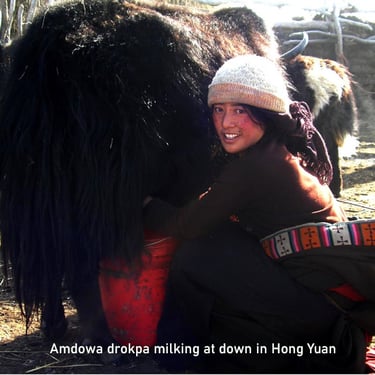
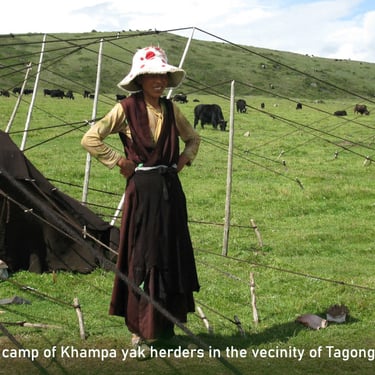
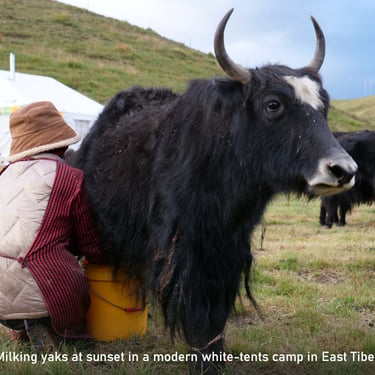
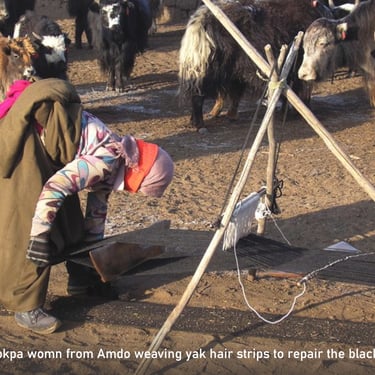
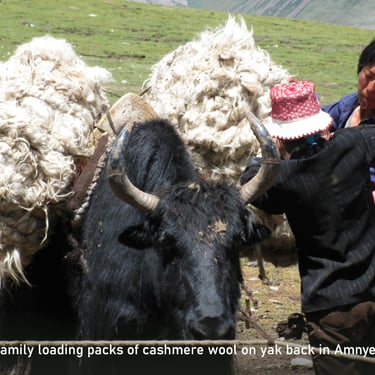
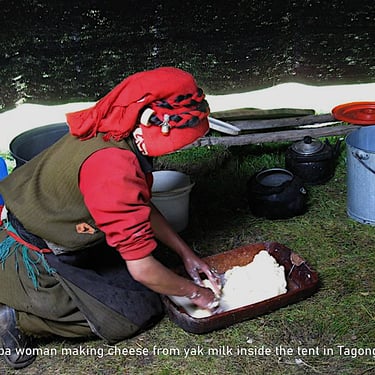
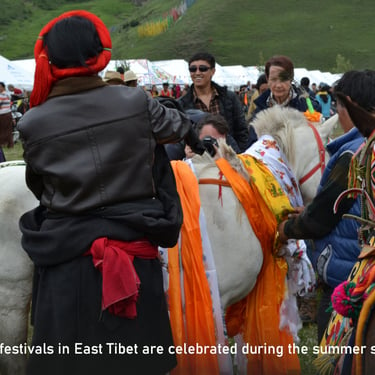
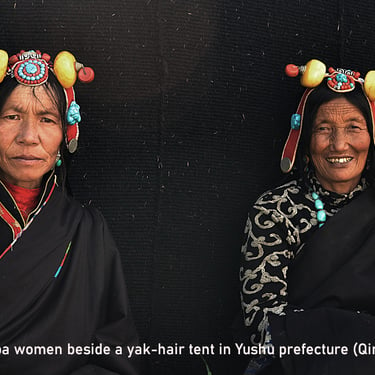
Second long-term fieldwork: Eastern Tibet (2007-2015)
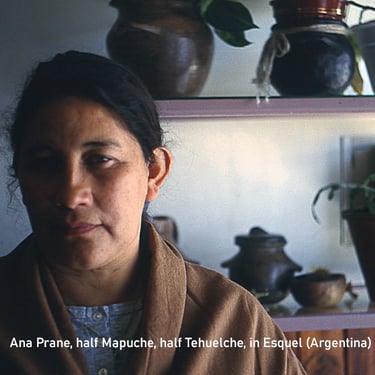
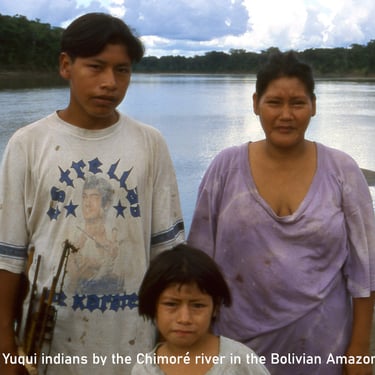
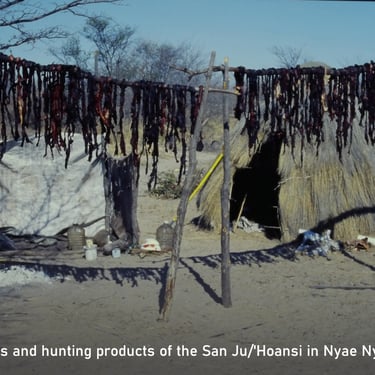
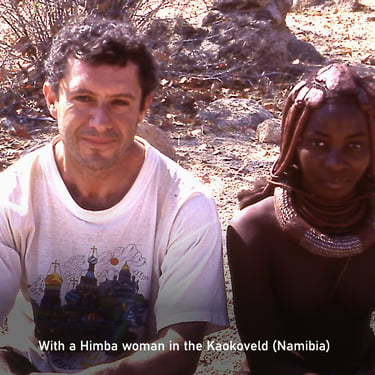
First field visits: Mongolia, South America, Southern Africa (2000-2006)
Santiago J. Carralero Benítez, born in Spain (Málaga, 1962), is a historian, applied anthropologist and visual artist, specialising in cultures with nomadic traditions, who founded the YURTA Association in 2012.
For the past four years, once retired as a public officer in Spain, he has devoted himself body and soul to developing the EDUNOMAD project and he will move to Thailand to better work for Monsoon Asia´s native people.
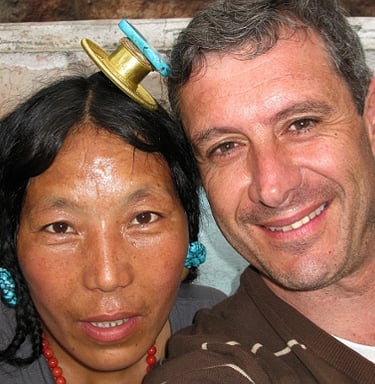
He first became interested in nomadic peoples in his youth, but it was not until the last decade of 20ᵗʰ century that he began traveling to the places where nomads live.
His academic background includes two bachelor’s degrees, one in Geography-History (UNED, 2004) and another in Social-Cultural Anthropology (UNED, 2013), as well as a Master’s degree in Anthropological Research and its Applications (UNED, 2015) and a Expert qualification in Indigenous Peoples, Human Rights and International Cooperation (UC3M, 2020).
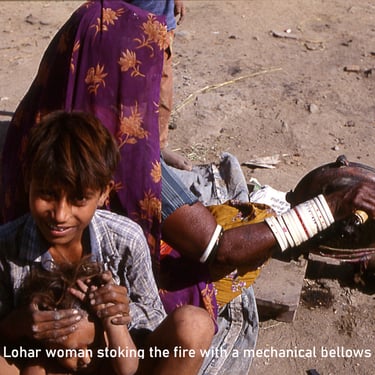
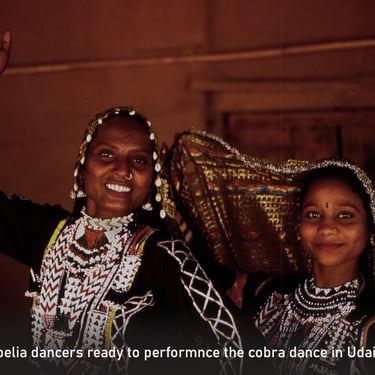
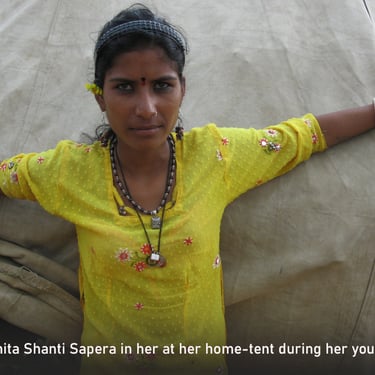
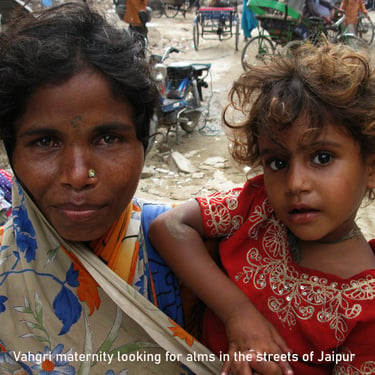
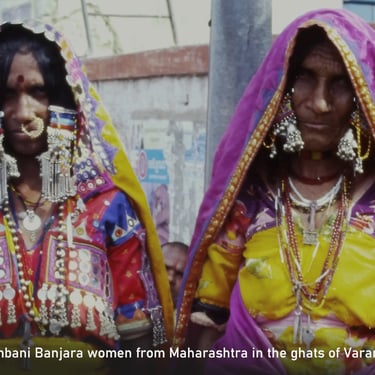
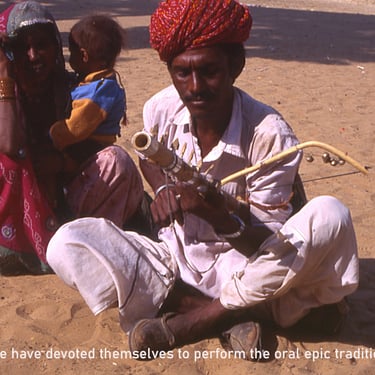
First long-term fieldwork: Western India (2002-2007)
OUR PROPOSALS


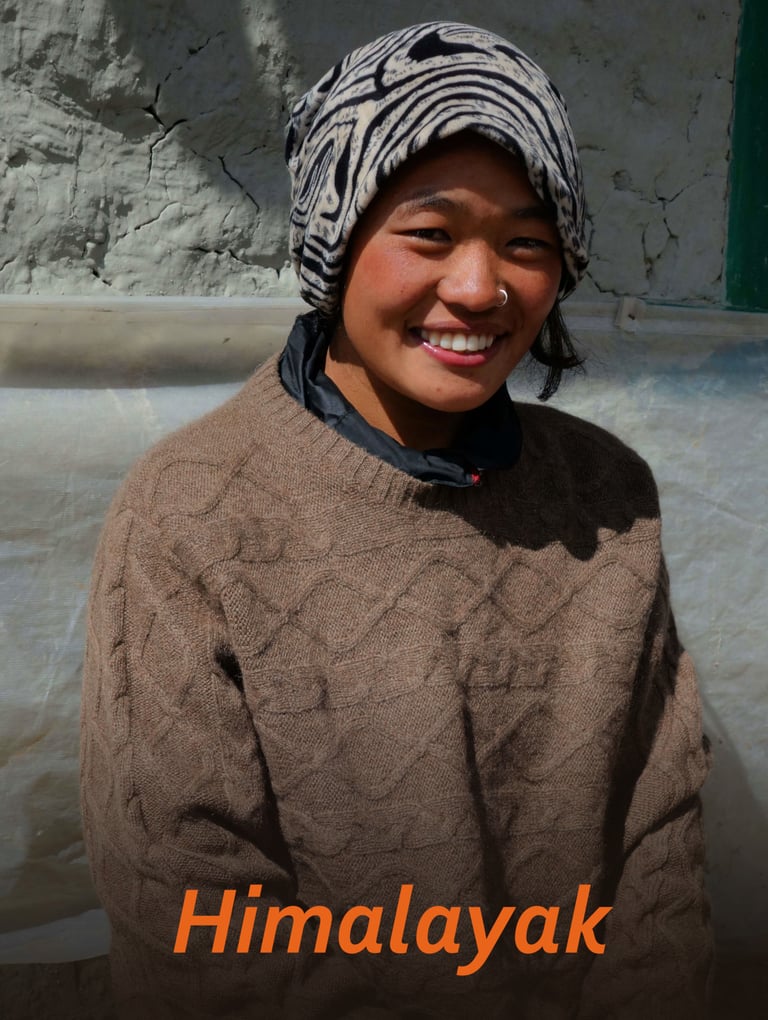
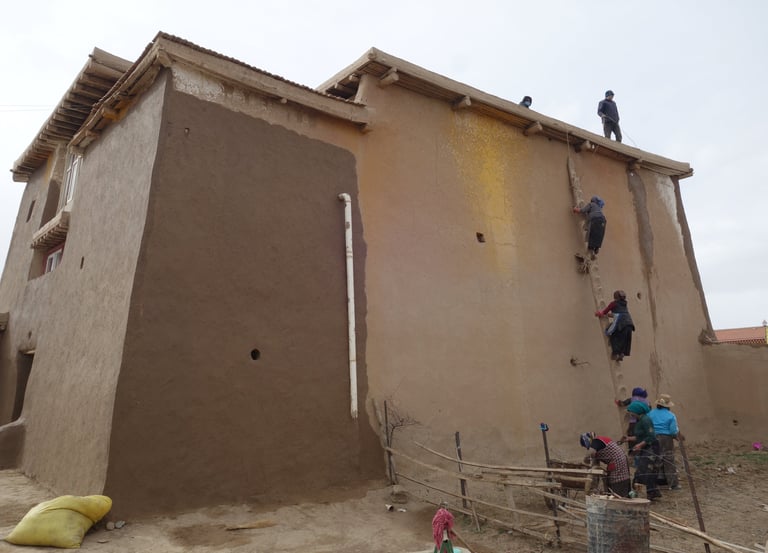
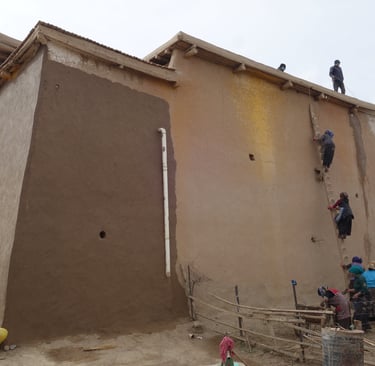
Led by the applied anthropologist Santiago Carralero (YURTA Association), and supported by organizations like ICIMOD and Plateau Perspectives, it aimed to foster regional collaboration among herders from Nepal, Bhutan, India, Pakistan, Afghanistan, Tajikistan, Kyrgyzstan, Mongolia and China. Its first and until now only development, called "Community Dialogues in High Asia", was implemented, however, in some of these countries, thanks to the financial support of the FAO Pastoralism Knowledge Hub.
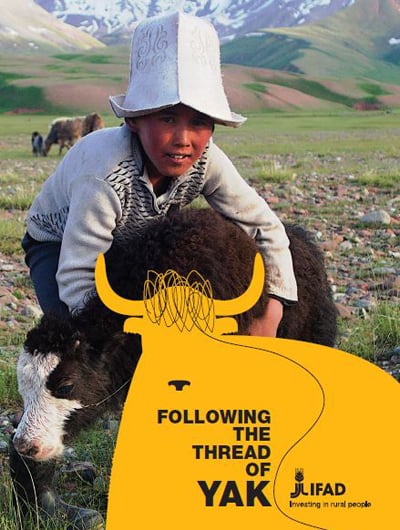
The HIMALAYAK project was a YURTA proposal that arose following the preparation and presentation of the report commissioned by IFAD and drafted by Santiago Carralero in 2019 on the current state of the yak hair industry, entitled ‘Following the Thread of Yak’.
The publication and subsequent presentation of the report were delayed on several occasions due to the 2020 COVID-19 pandemic, which led, on the other hand, to adding the HIMALAYAK Project as a practical conclusion to the report itself, suitable for implementation in the field.
Unfortunately, IFAD showed little interest in the project and raised objections to a section of the report that criticises the cashmere market. At the presentation, there was no indigenous participation, although several experts from various institutions were present.
This experience highlighted IFAD’s openness to broader anthropological perspectives and a holistic approach, but also the prevalent influence of industry and politics over the wishes of the indigenous peoples who inspired and supported the HIMALAYAK project.
Museum of Nomadic Cultures
Research and Cooperation
Cultural Interaction Area
The Earth Council
The UN was founded in 1945 as a global initiative by states, brought together in the spirit of peace and cooperation following the terrible years of the Second World War. Subsequent events, and particularly those of very recent times, bear witness to the limitations of the UN’s multi-state framework, both with the regards to international law and the rights of the Earth.
Given the impunity with which certain states act, and particularly that which pertains to large corporations on a global scale, it seems necessary to adopt new approaches that can safeguard the rights of minorities and the rights of Nature in the face of the ongoing aggression they face.
The Earth Council proposed by YURTA Association follows the example of the Arctic Council but at a global scale and giving greater weight to their decisions. The Arctic Council proposes an interesting model of political and environmental governance, one that is more inclusive because it transcends the state and the purely political sphere and which, furthermore, can be replicated in other equally significant biocultural regions of the world, such as High Asia, Monsoon Asia, Oceania, the Mediterranean Basin, the Andean region, the Amazon Basin, the Sahara-Sahel, the Middle East, the Congo Basin, East Africa, etc., regions which could ultimately be integrated into a general assembly or Earth Council, better suited to addressing present and future socio-environmental challenges.
The Centre of Nomadic Cultures for Environmental Education is the ultimate and most ambitious goal of the EDUNOMAD project, the current and most relevant project of YURTA Association. Designed as a cultural institution to research, disseminate and dignify the nomadic ways of life in connection with specific ecosystems, it would be the first and unique cultural institution in the world dedicated to these cultures, and as an institution eminently consecrated to the Environmental Education it has been conceived to be established in a rural area of Europe but preferably not far from a big city, where students and general public can easily visit it.
In its initial design, the Centre of Nomadic Cultures would have the following departments:

The World Yak Herders Association (WYHA) was a project and evolving network developed between 2016-2018 and designed to support indigenous pastoralists in High Asia, protect traditional yak-herding practices, and address challenges from climate change.

Small actions create meaningful lasting change
All photos, videos and text of this website are the intellectual property of the website’s creator and owner, Mr Santiago J. Carralero Benítez