Regions of High Interest
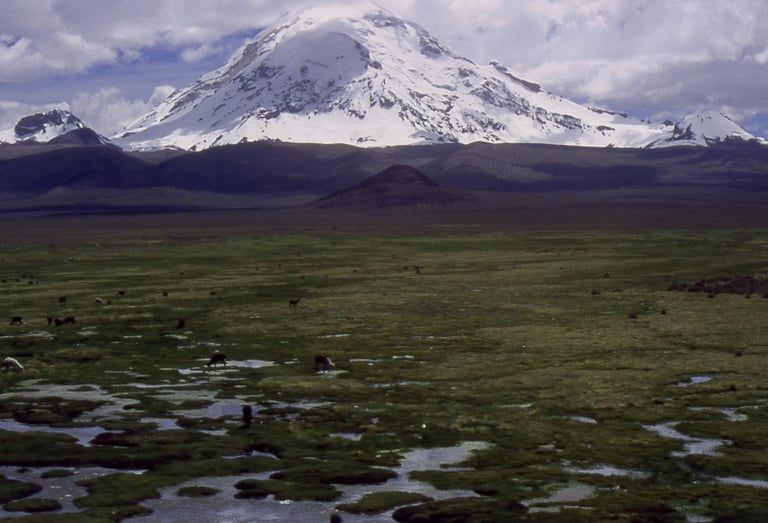
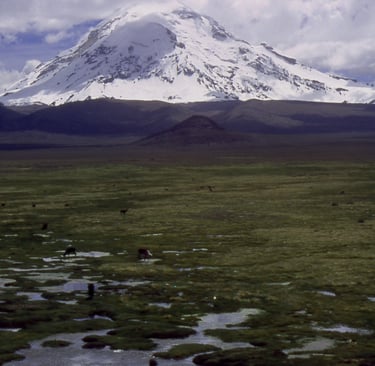
REGION 17 Andes
The Andes is the longest continental mountain range on Earth, stretching approximately 7,000 km along the western coast of South America and spanning seven countries, with an average elevation of 4,000 m and peaks exceeding 6,900 m.
The Andes mountain range is a vital global ecological asset, acting as the ‘water tower’ of freshwater for South America, supplying water to millions of people and home to 15% of all plant and animal species and contributing more than 90% of the sediment in the Amazon basin.
In the Andes, there have never existed nomadism per se, but rather transhumance and a degree of commercial itinerancy. Caravans of llamas have traveled from the altiplano to the coast, with salt as the main commodity traded. Today, Andean transhumance is practised by the Kolla in Argentina and Chile or the Crianceros Pewenche in southern Chile and Argentina. Other type of nomadism has been that of the Kalawaya, itinerant healers from the Bolivian region of Charazani.
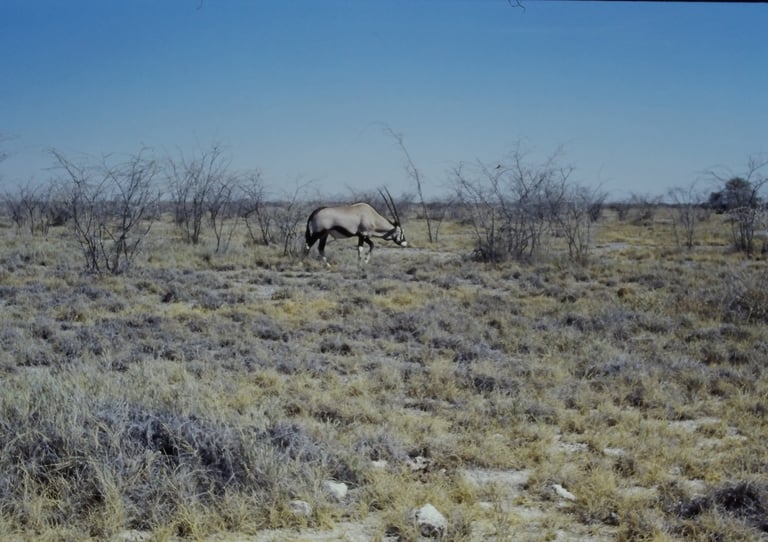
The South African region includes the arid and semi-arid lands of southern Angola, Namibia, Botswana, South Africa, and other countries in the area, highlighting Madagascar.
This region is very relevant since a global environment perspective, characterized by exceptional biodiversity and high vulnerability to climate change, as it is warming at twice the global average rate. Key challenges include severe water scarcity, deforestation and ecosystem degradation, which threaten food security and biodiversity.
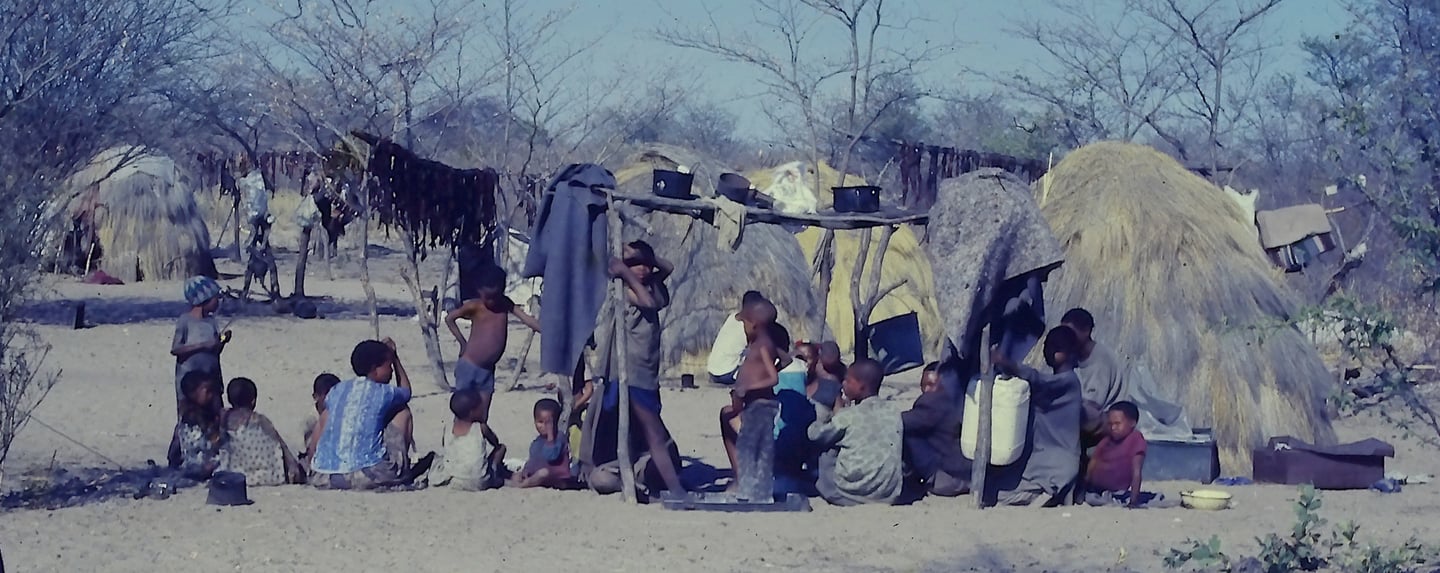
Nomads in the region are divided into hunter-gatherers and pastoralists. Among the former, the various Bushman groups stand out, with a greater presence and mobility in Namibia and Botswana in comparison to other countries such as Zimbabwe or South Africa, and the Mikea in Madagascar. Among the pastoralists, the Himba of Namibia and related groups in neighbouring Angola stand out, most semi-nomadic, with the Bara and Anantandroy in Madagascar.
South Africa REGION 13
REGION 10 Sahel
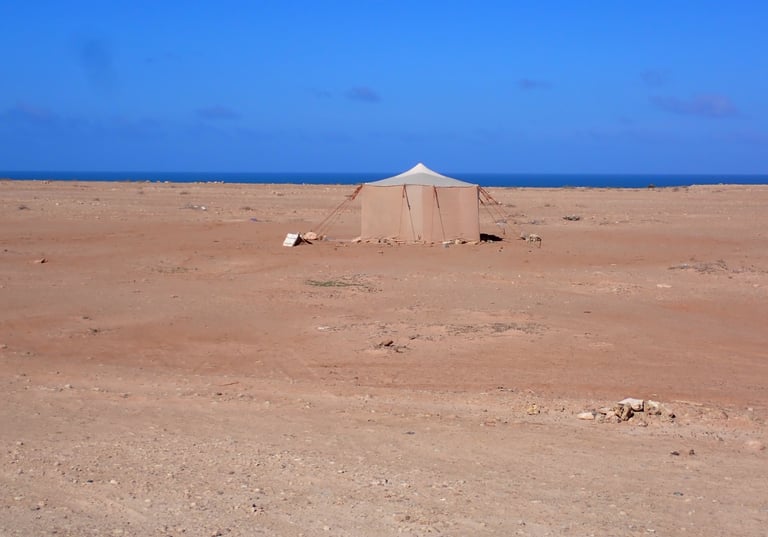
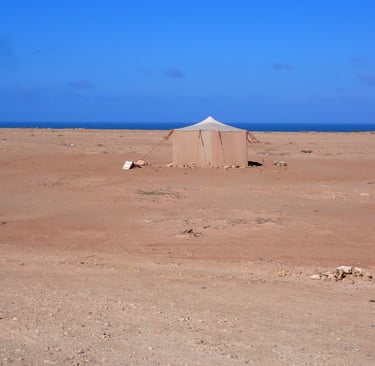
Covering an area of over 9,400,000 km², or one third of Africa’s total land area, and occupying most of the northern part of the continent, the Sahara Desert is the world’s largest hot desert and the third-largest desert overall, after Antarctica and the Arctic.
Despite being considered one of the most inhospitable and arid places on the planet, the Sahara Desert is a fascinating hotbed of endemism, home to unique species that have evolved under extreme conditions, developing unique biological adaptations. In fact, it is estimated that 25% of the 2,800 species of vascular plants found in the Sahara may be endemic.
The nomads of the Sahara are all pastoralists, although some have also engaged in caravan trade. The Tuareg confederation of Central Sahara has been notable in both these roles. By its part, the Western Sahara is home to Moorish and Sahrawi tribes, whilst the Eastern Sahara mixes Arab and Berber ethnic influences, as seen, for example, among the Toubou of Libya.
Sahara REGION 9
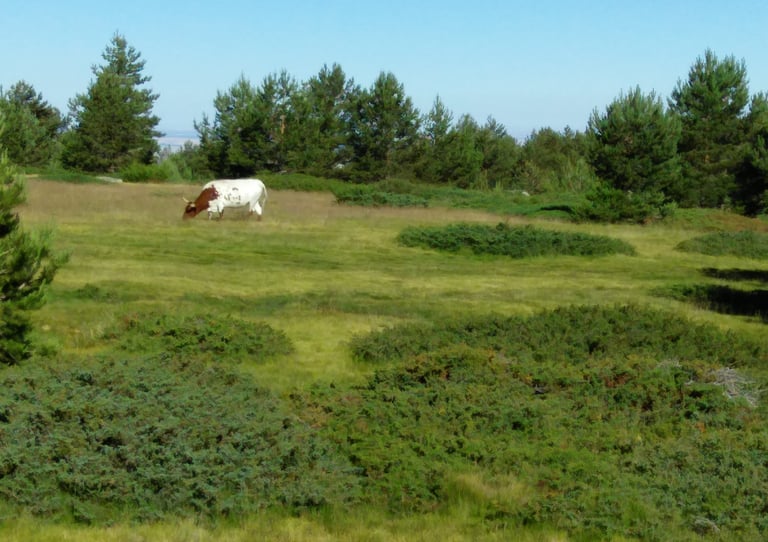
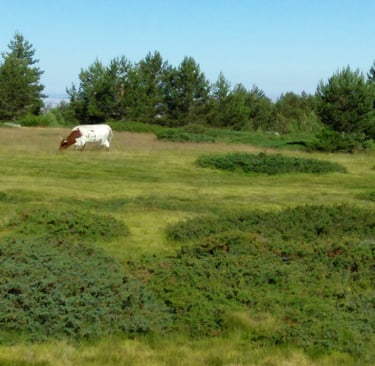
Here we adopt a somewhat unconventional definition of the Mediterranean region, as we include not only the Mediterranean basin but also the mountainous areas of Eastern Europe.
The Mediterranean basin is recognised worldwide as one of the main biodiversity hotspots, and is the second largest in the world. It is home to an exceptional wealth of biological diversity with a very high level of endemism, but faces serious threats due to its high levels of urbanisation.
Since ancient times, this region has been known for its tradition of transhumance, thanks to the many mountain ranges that characterise its landscape. From the Carpathians of Ukraine and Romania to the Franco-Spanish Pyrenees, passing through the Balkans and the Alps, various communities have practised transhumance, covering both short and long distances, such as the Hutsuls, Vlachs, Karakachans, Arumanians, Saracatsani, Kelmendi and other groups without distinctive tribal names in Australia, Switzerland, Italy, Slovenia, France and Spain.
REGION 8 Mediterranean
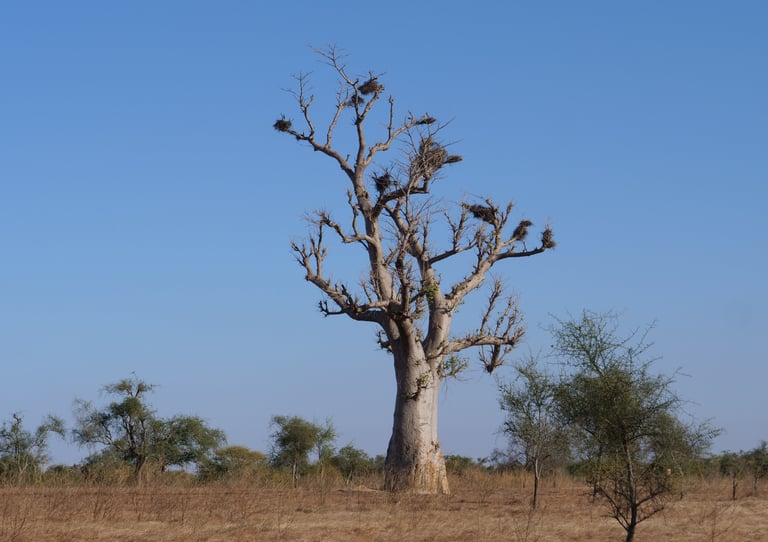
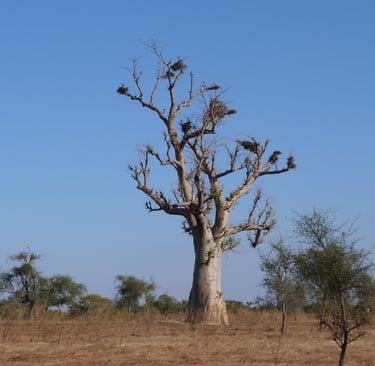
The Sahel is an eco-climatic and biogeographical transition zone stretching over 6,000 km across Africa from west to east, from Senegal to Ethiopia, between the Sahara Desert to the north and the Sudanese savannah to the south. It is a critical region marked by extreme poverty, coups d’état, jihadist terrorism, climate change and high levels of insecurity.
The Sahel is home to vast regional water resources and acts as a vital buffer against the expansion of the Sahara Desert, supporting more than 135 million people, most of whom depend on rain-fed agriculture; it is also an important biodiversity corridor, particularly for migratory birds.
he Sahel is home to the Fulbe or Peul, the world’s largest pastoralist group, numbering around 12 million herders, some of whom are nomadic, such as the Mbororo of Chad or the Fulani of Niger, whilst others are semi-nomadic and others have settled. The Griot or Gewel, itinerant musicians and genealogists, live in the western Sahel.
In the EDUNOMAD project, Regions of High Interest are those where nomadic-tradition populations are still alive but its global relevance is lesser compared with other biocultural regions, whether due to their limited biodiversity, their high level of urbanization and development, or because, sometimes, their nomadic populations are small or very dispersed.
It comprises five regions, each of which should be visited several times in a diversity of significant subrregional areas, especially those with prominent nomadic-tradition groups. These 5 regions are the Arctic, the Andes in South America; the Sahara, the Sahel and Southern Africa in Africa; and the Mediterranean basin in Europe-Northern Africa
Small actions create meaningful lasting change