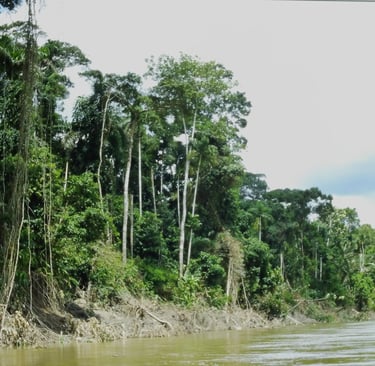
REGION 17 Amazon
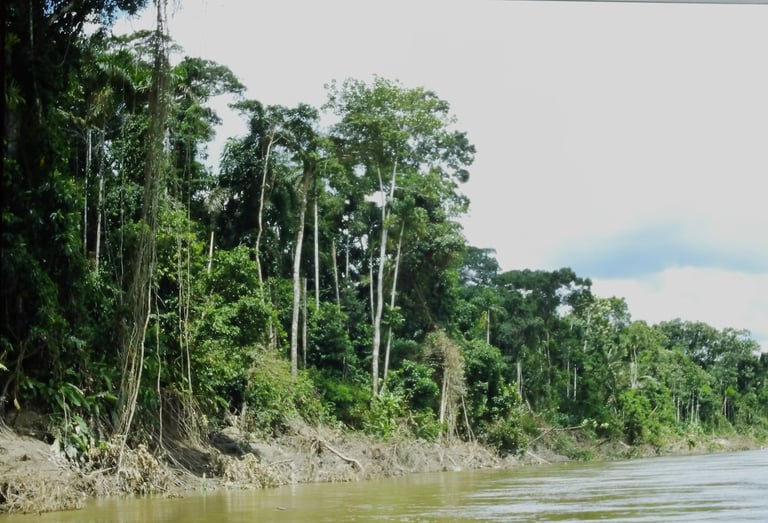
The Amazon is the world’s largest tropical rainforest and river basin, covering more than 7 million km². It stretches across nine countries in South America, primarily Brazil, where it covers between 4.2 and 4.5 million km². It is a crucial ecosystem, with immense biodiversity, which developed some 10 billion years ago and is now home to millions of people, including 1,5 millions of indigenous people distributed into more than 400 different communities. However, the Amazon faces a historic crisis due to deforestation, intensive livestock farming, illegal gold mining and oil extraction, which, combined with wildfires and climate change, could reach a point of no return’.
Most of the mobile indigenous peoples here are semi-nomadic, hunter-gatherers who also practices slash-and-burn agriculture. These include, amongst others, the Nukak of Colombia, the Mashco Piro of Peru, the Piripkura and Kawahiva of Brazil, the Waorani of Ecuador, the Yanomami of Venezuela, as well as some 150 uncontacted groups.
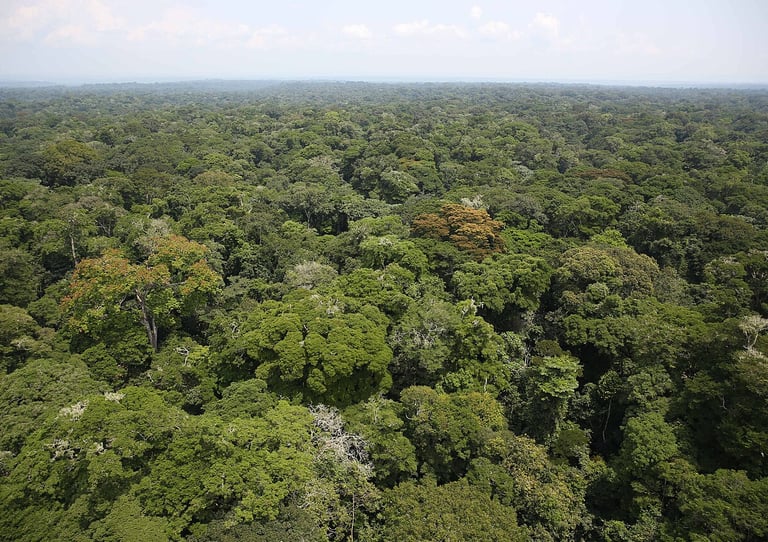
The Congo Basin, covering an area of about 3,730,000 km², is one of the most important ecological regions on the planet. Located in central Africa, as it constitutes the world’s largest net carbon sink. It is also the world’s second-largest river basin (after and is home to the second-largest tropical forest on Earth and with it 20% of the Earth’s living species.
It is also under enormous internal pressure, characterized by profound insecurity and violence perpetrated by armed groups, extreme poverty, illegal deforestation and human rights abuses
This pressure is felt not only by the flora and fauna but also by the indigenous population, comprising between 250,000 and over 900,000 Pygmies, nomadic-tradition people in countries such as the Democratic Republic of the Congo, Cameroon, Gabon and the Central African Republic, comprising various groups divided into eastern Mbuti and Twa and the western Mbenga), with the Aka, Baka, Mbuti and Twa being the most numerous
Congo basin REGION 12
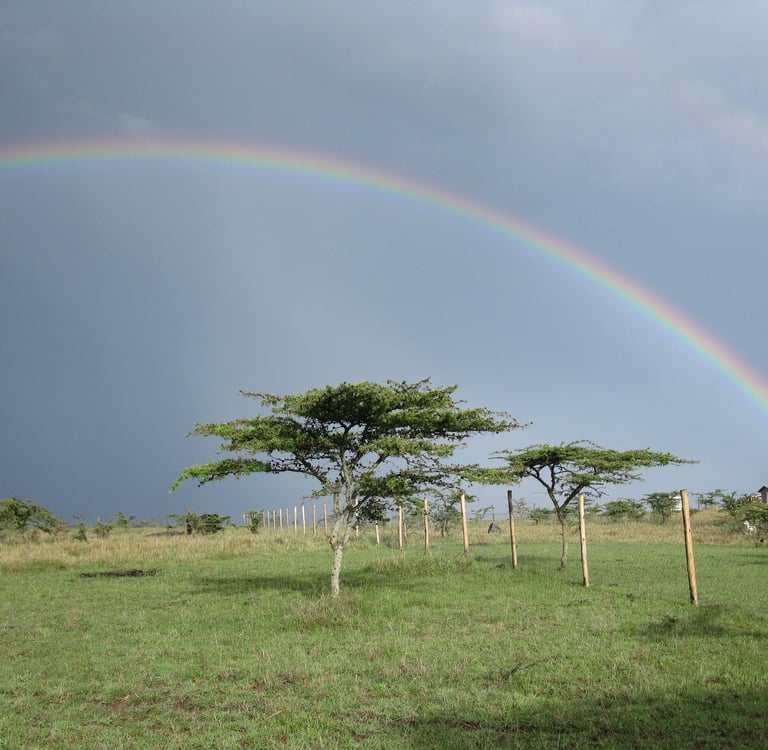
REGION 11 East Africa
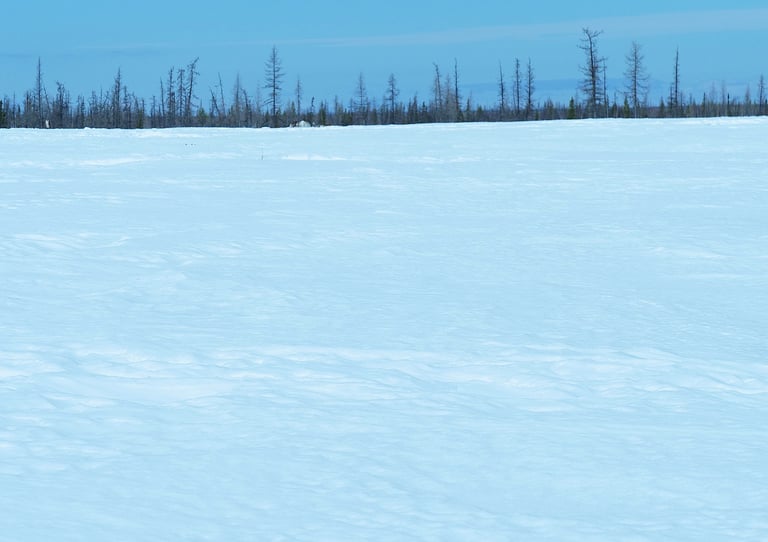
The Eurasian Arctic is dominated by two main biomes with blurred boundaries that extend in latitudinal bands: the tundra to the north and the taiga (boreal forest) to the south. Both regions are adapted to conditions of extreme cold and are characterised by the presence of permafrost.
Located in the far north,, it encompasses areas of Russia (Siberia) and northern Europe (Scandinavia), although it should also include adjacent forested areas of northern Mongolia and China, all of which have the reindeer as their totem animal.
In the European part, the indigenous Sami community stands out: highly developed, yet still preserving its ethnic identity and traditional way of life, albeit managed in a modern way. The main indigenous groups of Siberia are divided into Turkic, Mongolian, Tungusic and Uralic families. Many of them practise reindeer herding, hunting and fishing, with the Nenets being the most nomadic of them all.
Tundra-Taiga REGION 5
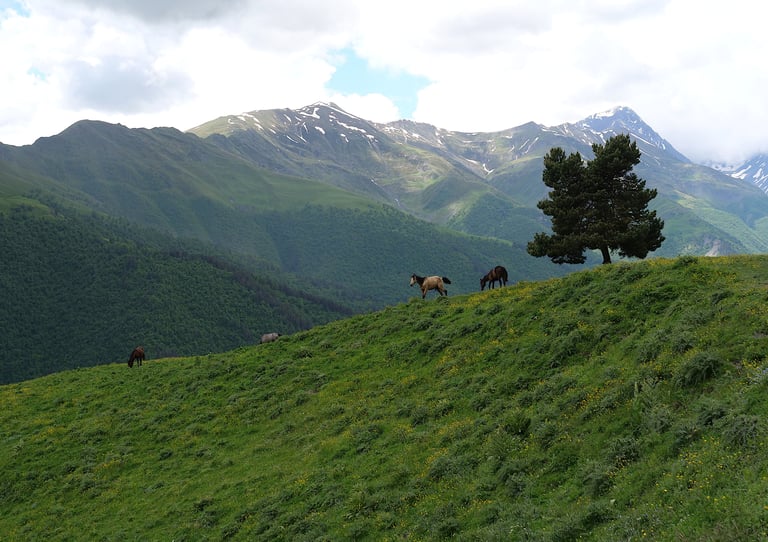
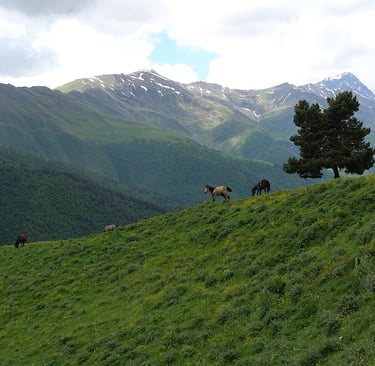
This region, dominated by medium-altitude mountain ranges stretching from Afghanistan to Turkey, with arid plateaus lying between, is a biodiversity hotspot. It begins with the Suleiman mountains and the Registan desert to the east. It continues into Iran, through salt deserts as the Dasht-e Lut, before reaching the Elburz and Zagros ranges. The latter extends westwards into Iraq and Turkey and northwards through Armenia and Azerbaijan, connecting with the mighty Caucasus range. The succession of plateaus continues in the Anatolian peninsula, this time bordered by the Pontic Mountains to the north and the Taurus Mountains to the south.
This is a region culturally dominated by Islam and, ethnically speaking, by a mix of Turkic and Indo-European groups, where goats and sheep were first domesticated. It therefore remains an area where this type of pastoralism is widely practised, ranging from the fully nomadic lifestyles of the Afghan Kochis and Iranian Qashqais to the semi-nomadic pastoralism of the Kurdish Kocharis and the Yörük of Turkey. There are also nomadic groups known as Ghorbatis, found in both Afghanistan and Iran.
REGION 6 South-West Asia
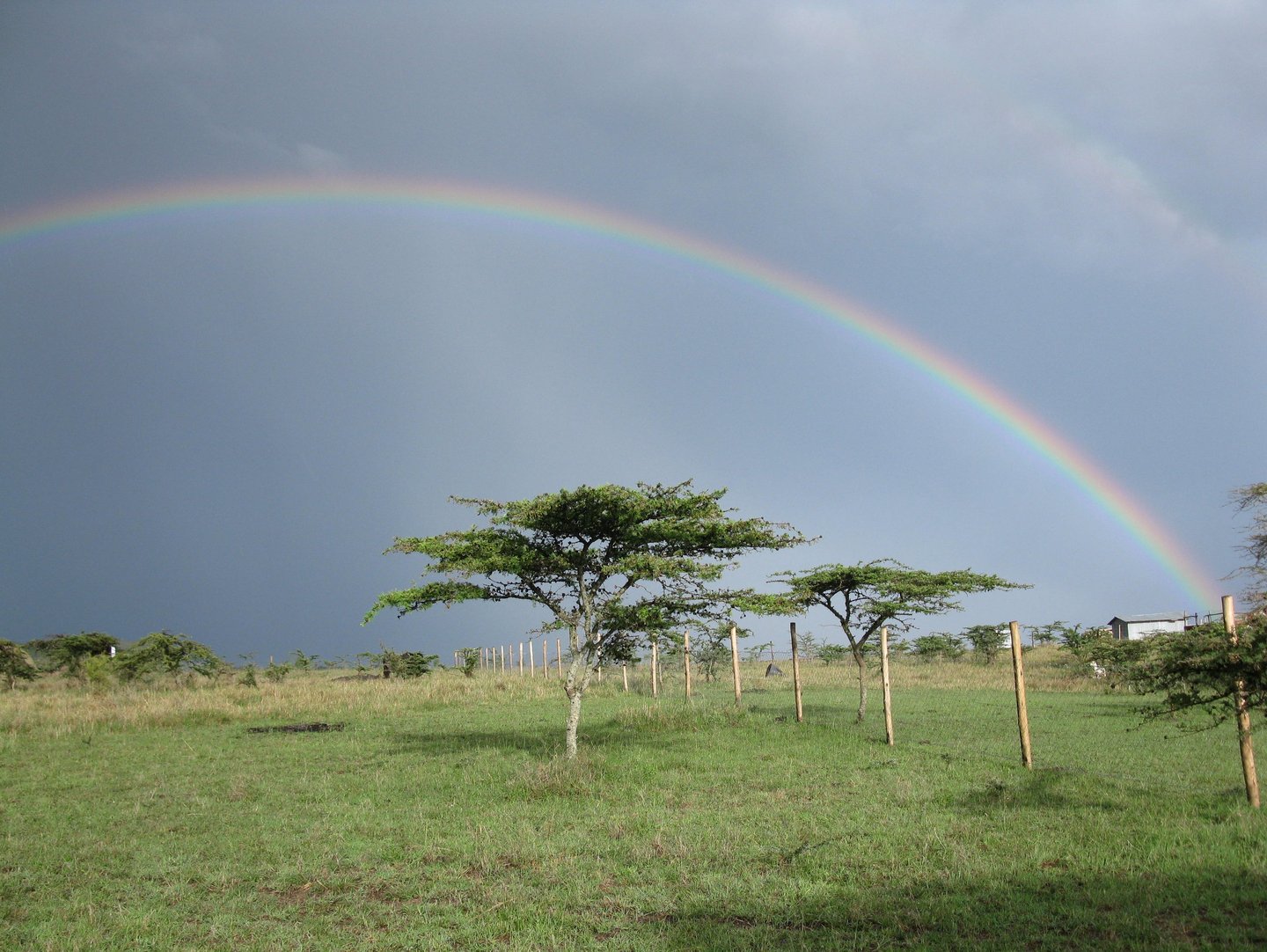
East Africa is a region geographically shaped by savannahs and semi-arid subtropical plains, and, geologically, by the emergence of the Rift Valley and its intense internal activity, which is reflected in Africa’s highest mountains and their volcanic origins: Kilimanjaro and Mount Kenya.
With a total population of 523 millions of people, East Africa is a region of great ethnic diversity too, home to between 160 and several hundred distinct groups, according to estimates, with Bantu, Nilotic and Cushitic peoples being the main groups.
From the perspective of traditionally nomadic peoples, the region is strongly characterised by pastoralism, with nomadic practices in the driest areas and semi-nomadic ones, in their agro-pastoral form, in more fertile areas. Among the former are the Rashayda, the Afar, the Gabra and the Turkana; whilst among the numerous agro-pastoralists are the Dinka, the Mursi, the Maasai and the Datoga. Small groups of hunter-gatherers, as the Hadza of Tanzania, are also present.
REGION 3 High Asia
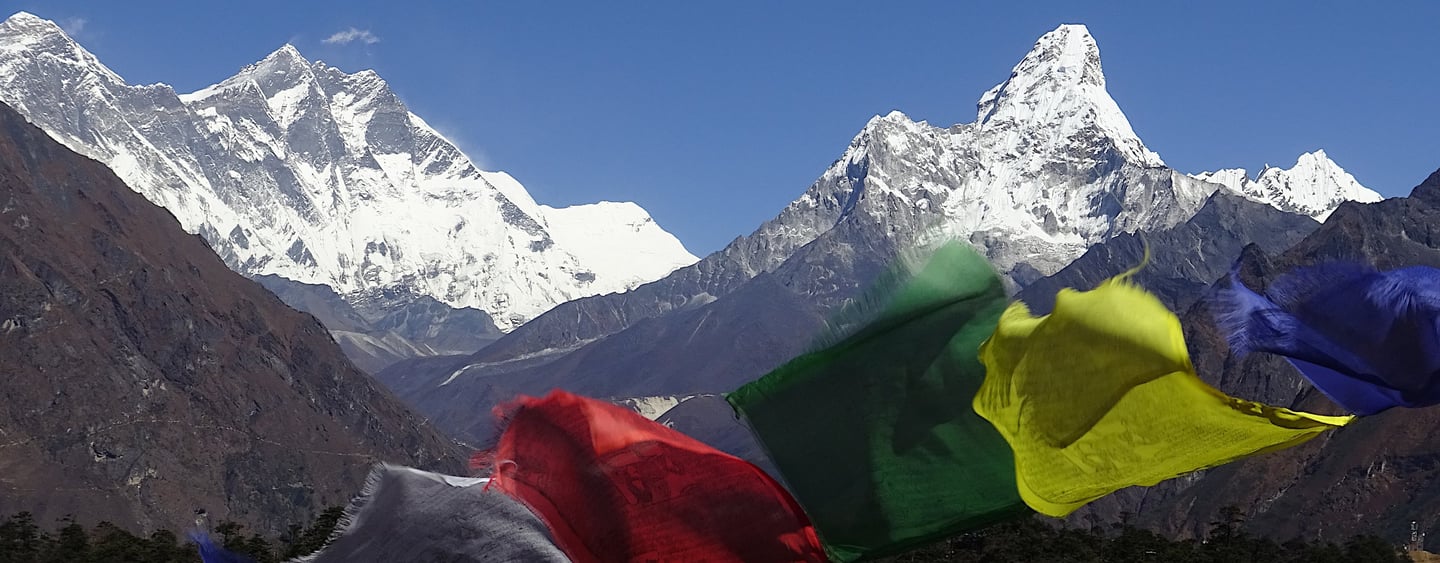
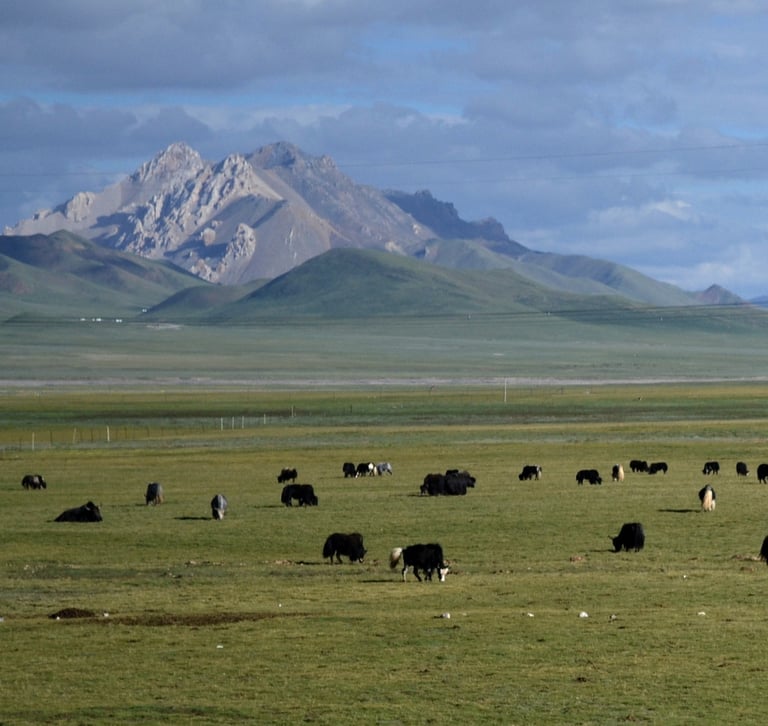
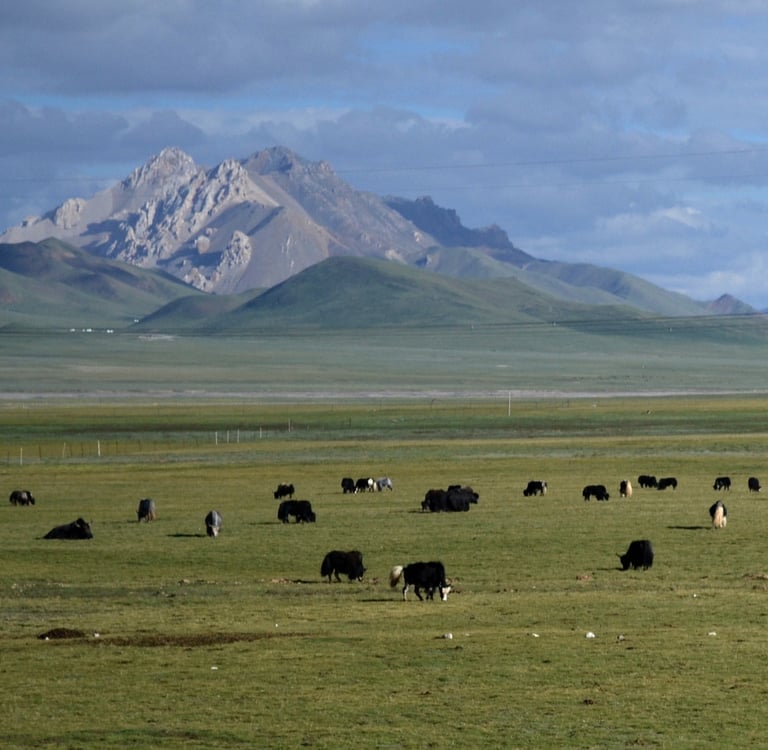
High Asia constitutes the most significant high-altitude region in the world, comprising a series of high mountain ranges that include the planet’s highest peaks and surround the Tibetan Plateau, which covers an area of 2.5 million km² with an average elevation of 4,500 metres.
Its environmental importance is immense, as it is the source of the largest river system flowing towards Siberia, Central Asia and South, South-East and East Asia. As if that were not enough, it is the region with the third-largest number of glaciers in the world, is home to three distinct biodiversity hotspots, and plays a vital role in the functioning of the monsoon climate.
In the highlands of Asia, both nomadic herding and transhumance have regarded the yak as their totem animal; a species native to Tibet, particularly well-adapted to rugged, high-altitude terrain.The Tibetan herders have played a central role in this, surrounded by Kyrgyz and Kazakhs to the west, Mongols to the north, and others, such as the Baltis and Hunzas, to the south.
Inner Asia REGION 4
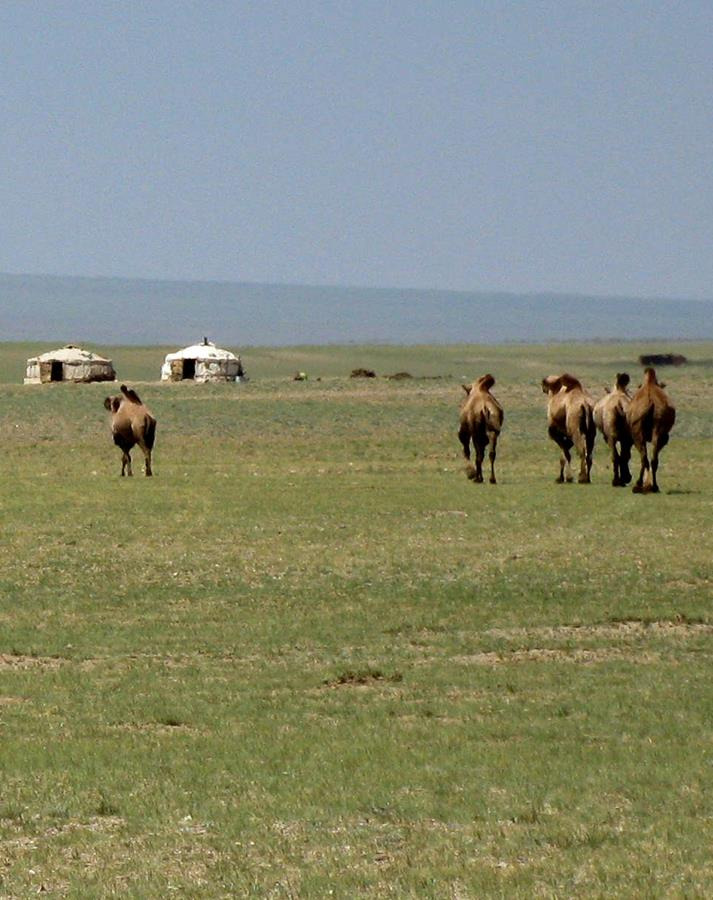
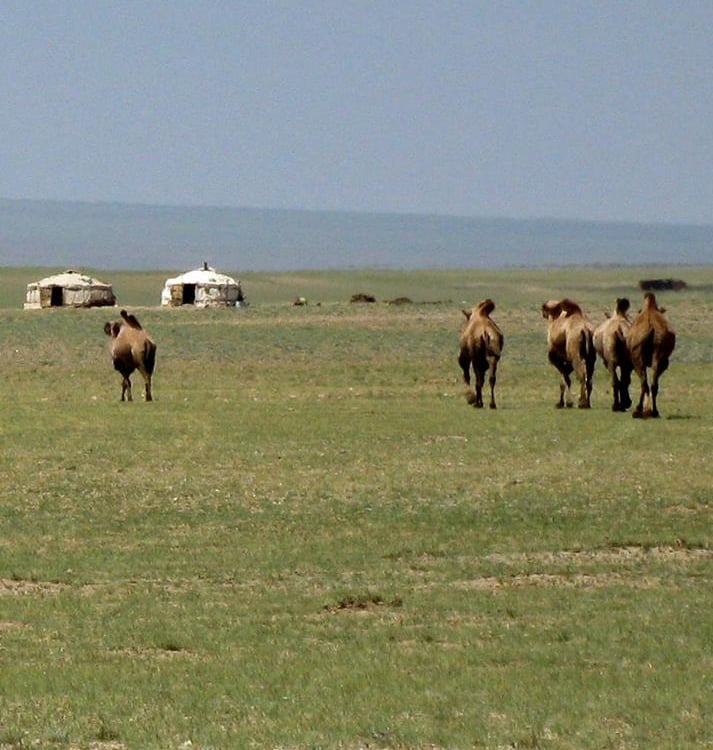
Inner Asia is a landlocked northern region spanning northern, central and eastern Asia, distinguished from these regions by its grassy plateaus, whose significance lies in the fact that it has been, and continue to be, one of the world’s most important areas for nomadic pastoralism, centred on Mongolia, the country with the world's highest proportion of nomadic people.
Although this region is not very biodiverse, grasslands are vital for carbon sequestration and pastoralism, and Mongolia, together with the adjacent areas of Russia (Buryatia), China (Inner Mongolia) and Kazakhstan, represents one of its most notable examples. Therefore, the main ethnic group is the Mongolian and then the Kazakh.
Nomadic herding in this region of extreme climatic conditions has been possible throughout history thanks to the horse and the yurt, the round felt tent typical of Central Asia and Inner Asia. However, these herders have also kept flocks of goats, sheep, cows, camels and yaks, depending on the specific conditions of each sub-region.
In the EDUNOMAD project, Regions of Very High Interest are those where nomadic-tradition populations are active and diverse, although sometimes formed by small groups, and where the biodiversity of the ecosystems or its global ecological relevance are high.
It comprises eight regions, each of which should be object of extensive field research to explore the most significant sites and ethnic groups in terms of biocultural and nomadic-traditions importance. These 8 regions are the Amazon in South America; the Congo Basin and East Africa in Africa; the Tundra-Taiga region in Eurasia; the South-West Asian region, Inner Asia, High Asia and South-Southeast Asia in Asia.
Regions of Very High Interest
South-Southeast Asia is a region characterised by a warm monsoon climate, with variable dry and wet seasons according to latitude, and a landscape consisting mainly of low-lying terrain whose fertility has fostered agriculture, with rice as the staple crop. It has led to large urban and rural populations, but it also holds tremendous biodiversity, containing five Biodiversity Hotspots.
The tropical forests of Southeast Asia are widely recognized as the third largest tropical forest region in the world, but also are the oldest ones on Earth, dating back 100 million years. The region’s far-reaching environmental importance also lies in its seas, with the Coral Triangle being the area with the greatest marine biodiversity in the world.
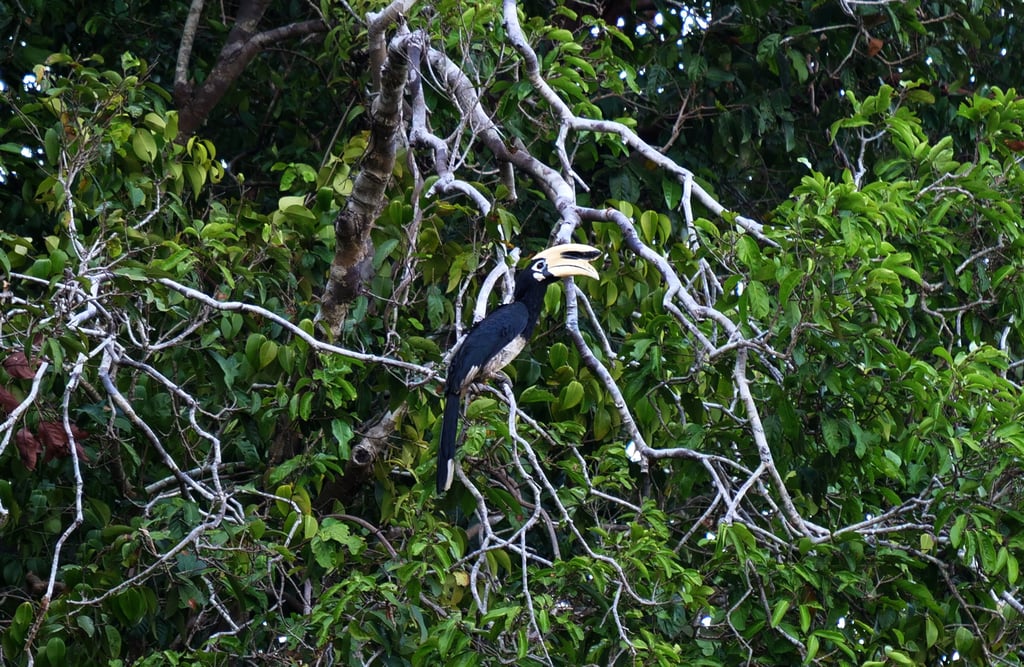
This unique combination is also evident among its traditionally nomadic populations, including pastoralist groups in the west (India), hunter-gatherers such as the Orang Asli in Malasia, sea nomads such as the Bajau and Moken, and itinerant groups in India and eastern Pakistan.
REGION 2 South/East Asia
Small actions create meaningful lasting change